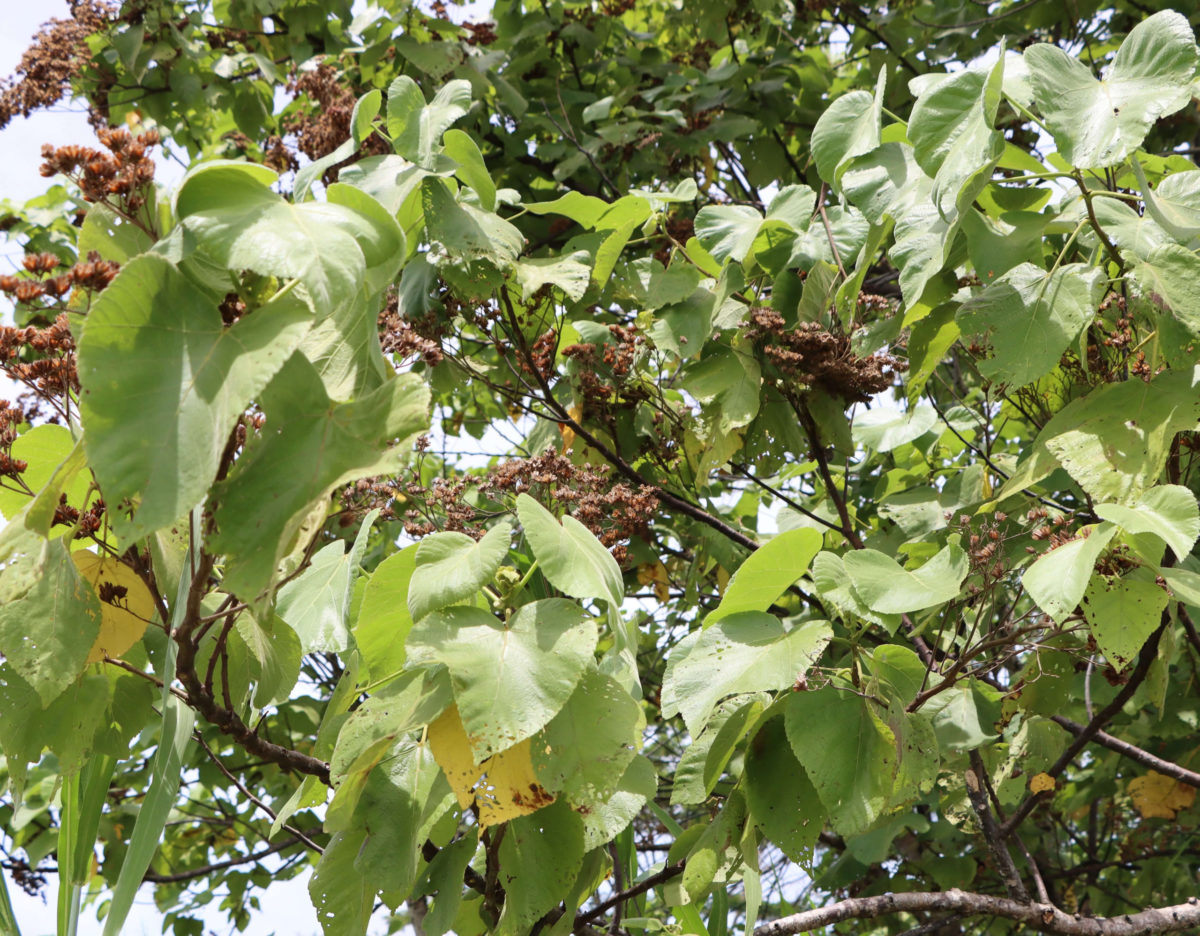
Big Island Invasive Species Committee (BIISC)

DONATE TODAY

  • About Us
    • Who We Are
    • Steering Committee
    • What We Do
  • Invasive Plants
    • No Grow! plants
    • Backyard Pests
    • Plant Control
  • Invasive Pests
    • Insects
    • Animal Pests
    • Diseases
    • Palm Pests and Diseases
  • Community Programs
    • CRB Compliance Trainings
    • Albizia Program
    • Little Fire Ant Community Support Program
    • Education
  • Blog
  • Submit a Report

Search Results for: miconia

Miconia Throws Some Mean Shade

What started as a discarded botanical specimen, has now become one of Hawaiʻi’s most invasive horticultural plants. Miconia, scientifically known as Miconia calvescens, was imported to Hawaiʻi Island in the late 1950s/ early 1960s as a botanical specimen. Legend has it that the first Miconia plants died, and the pot was left under a dark greenhouse bench. Moments later, new plants were found in the pot and the plants were quickly shared among plant enthusiasts on the East side of Hawaiʻi Island. Just 20 years later in the 1980s an expanding population around Onomea was observed and unfortunately, removal efforts were not sufficient for eradication. Fast forward another 20 years, and by the early 2000s it was obvious that Miconia would be impossible to eradicate on Hawaii Island.

What makes Miconia so invasive?

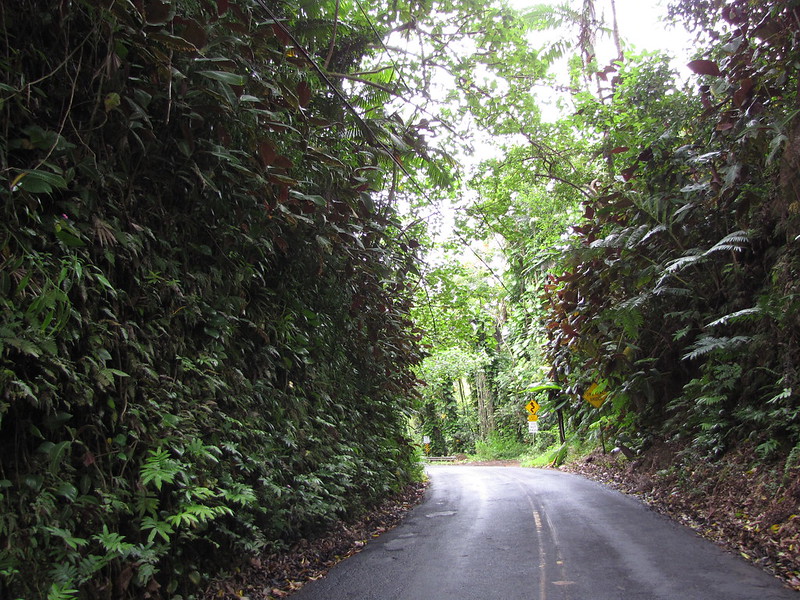
Miconia is known to form thick stands that shade out native plants and completely take over wet forests in Hawaiʻi. Its massive leaves form a dense canopy, blocking sunlight and suppressing native groundcover vegetation. Their shallow root systems promote erosion leading to a decline in the quality of surface water, ultimately increasing sediment in shore runoff. This disruption reduces groundwater recharge, increases runoff, and threatens the delicate balance of the watershed. 

Miconia reaches reproductive maturity in as little as 4 years, producing fruit 2-3 times per year—each event yielding an astonishing 3 million seeds, or up to 9 million annually. Compounding the problem, Miconia seeds can remain viable in the soil for more than two decades, making landscape eradication impossible. Without consistent control efforts, this invader continues to reshape our ecosystems, outcompeting native species and altering landscapes at an alarming rate. With the proper tools, homeowners can control this pest on their property. 

Controlling Miconia

Physical control: 

  • Pull small saplings out by hand. If uprooted completely, the success of control is 100%.
  • Cut mature trees and repeat as needed. Monitor every 6 months because multiple stems will regrow from the stump.

Chemical control: 

When using herbicide, always follow product labels and Personal Protective Equipment requirements. Both of the herbicide applications below are targeted and precise with extremely low risk to neighboring plants.

Thinline Basal Bark Treatment: 

  • For trees with LESS THAN 6-inch diameter (about two hands in a circle), use an oil-based undiluted triclopyr product with at least 50% active ingredient, such as Alligare Triclopyr 4.
  • Drip the herbicide in a continuous line around the miconia trunk. Wet the entire circumference of the stem, but not so that it drips. No bark needs to be removed, but you should wipe away any moss or soil that is present.

Cut Stump Treatment: 

  • For trees with MORE THAN 6-inch diameter, cut down miconia leaving only a 1 to 2-inch stump. Apply an oil-based triclopyr product with at least 50% active ingredient, such as Alligare Triclopyr 4.
  • Mix according to the label at 20%-30% dilution and immediately spray or paint onto the top of the stump once cut. The most critical area to cover is just inside the bark. 

Disposal of Miconia green waste

  • If no fruit or seed is present, vegetation can be hung to dry completely. Miconia will regrow if roots touch the ground.
  • For small amounts of fertile vegetation, place in a thick black garbage bag. Leave in the sun to solarize for a minimum of 15 days and heat above 130°F daily.
  • For large amounts of fertile vegetation, make a ‘tarp burrito.’ Spread out a tarp or heavy plastic sheet, pile it in the miconia, and wrap it up completely. Leave in the sun until all leaves are dead and the stems can snap. 

Miconia is a noxious weed, do not throw it in Hawaiʻi County Green Waste. If the vegetation cannot be disposed of onsite, put it in the landfill. 

Miconia

Miconia

Exclusion species: BIISC works to control this plant in limited areas

A mere 25 years after importation, botanical gardens, nursery owners, and private collectors on Hawaii Island noticed an alarming amount of miconia keiki popping up near adult trees. As a result, in 1982, a Hilo nursery that actively sold miconia voluntarily destroyed mature plants and stopped their sale. That same year, Joyce Davis, a botanist with the Hawaii Department of Land and Natural Resources (DLNR) Division of Forestry and Wildlife (DOFAW) on Hawaii Island, launched an outreach campaign. Beginning with a miconia information display at the Hawaii County Fair, Davis set about asking the public for help identifying and reporting miconia. The Cougars 4-H Club, led by Kay Nishioka of DLNR, joined in the control efforts, and the issue even made it into the Hawaii Tribune-Herald. Many residents responded, and thousands of miconia trees were destroyed as a result.

However, each mature plant had already contributed millions of seeds to the environment. Once the non-native birds began eating and dispersing the seeds into the forest around the Big Island, new populations began springing up both close to human habitat – as well as miles away. For every plant destroyed by volunteers, 100 more were growing a bird’s flight away. Overwhelmed, the 4H club abandoned their control efforts in 1984, and miconia control occurred only sporadically by private landowners over the next few years.

Early surveys to locate the plant confirmed miconia was present on more than 100,000 private and state properties! Obtaining permission to enter private residences, mapping the population, and conducting public outreach were monumental tasks, and that was before even the hard work of hiking to and killing the trees, a demanding job in itself that was executed on a shoestring budget. The scale of the problem quickly overwhelmed the hodgepodge of local organizations and volunteer groups who had set out to tackle the problem.

In the 90s, new assessments of the continued spread of miconia led to increased recognition by policymakers. Seeing is believing. It was impossible to miss the ecological takeover that was occurring. Finally, in 1992 miconia was listed on the Hawaii State Noxious Weed List. This made it illegal to import and introduce the plant to any new areas, and it could not be legally sold in nurseries. In 1996, Governor Cayetano’s administration further introduced Operation Miconia, a coordinated statewide effort to control miconia. However, the cat was out of the bag. By that time, miconia had spread into much of the windward rainforests. With seeds that persist in soil for 20 years, eradication was impossible.

The miconia butterfly (Euselasia chrysippe) is a potential biocontrol candidate for Hawai‛i. In its caterpillar stage, the herbivore miconia butterflies, feed in tight-knit groups of 40-80 or more on the leaves of miconia.

Impacts:

  • Miconia is capable of forming monotypic stands, dominating and shading other plant species.
  • Forms an ‛umbrella’ over the watershed, potentially reducing the amount of rainwater that seeps into the watershed
  • Shallow root systems promotes erosion
  • One plant generates 3 to 9 millions bird-dispersed seeds a year
  • Seeds lay dormant yet viable for many years

Description:

  • A tree that can grow 50 feet tall
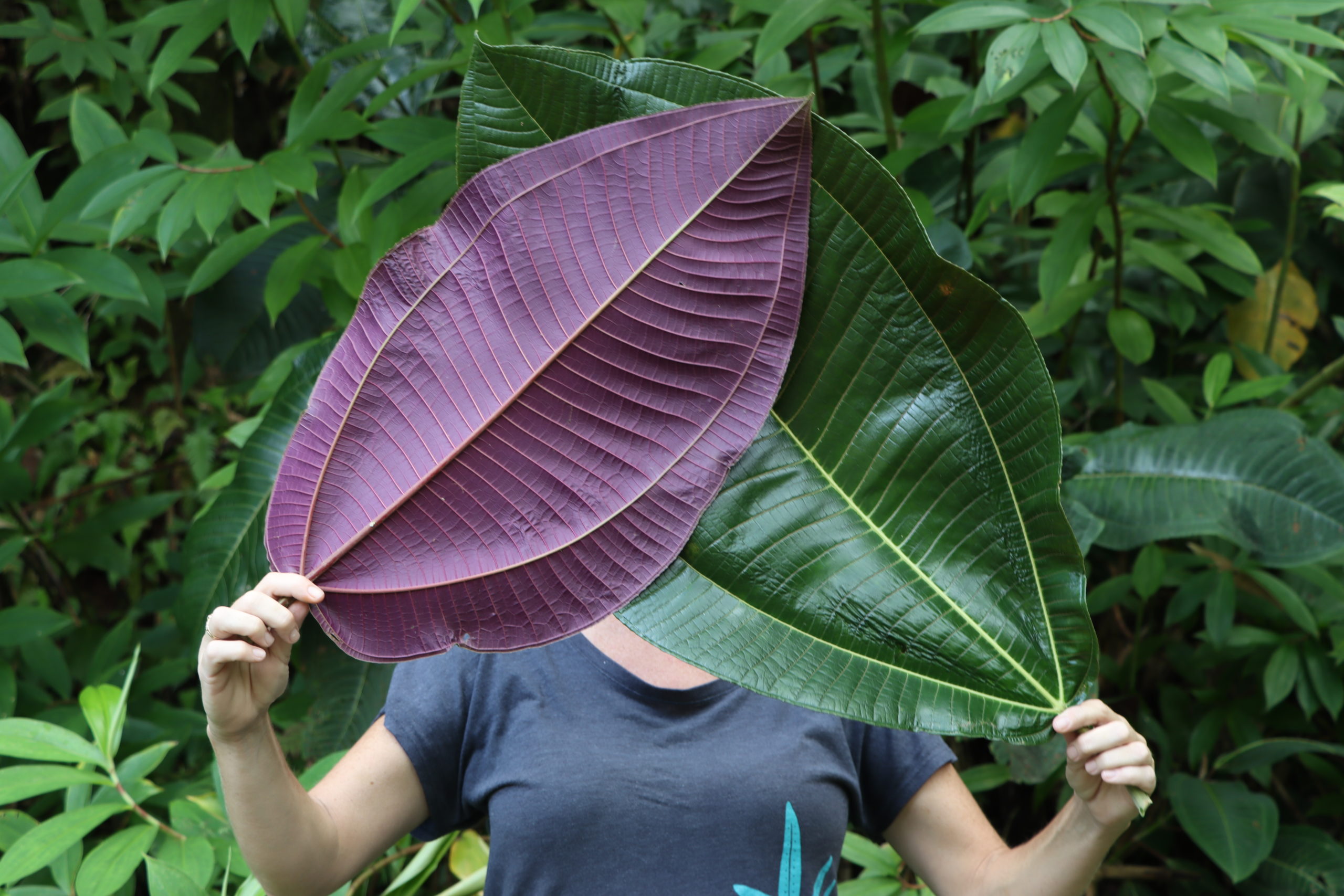
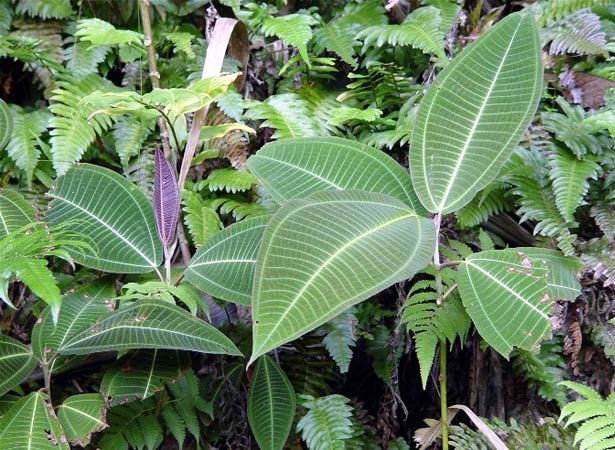
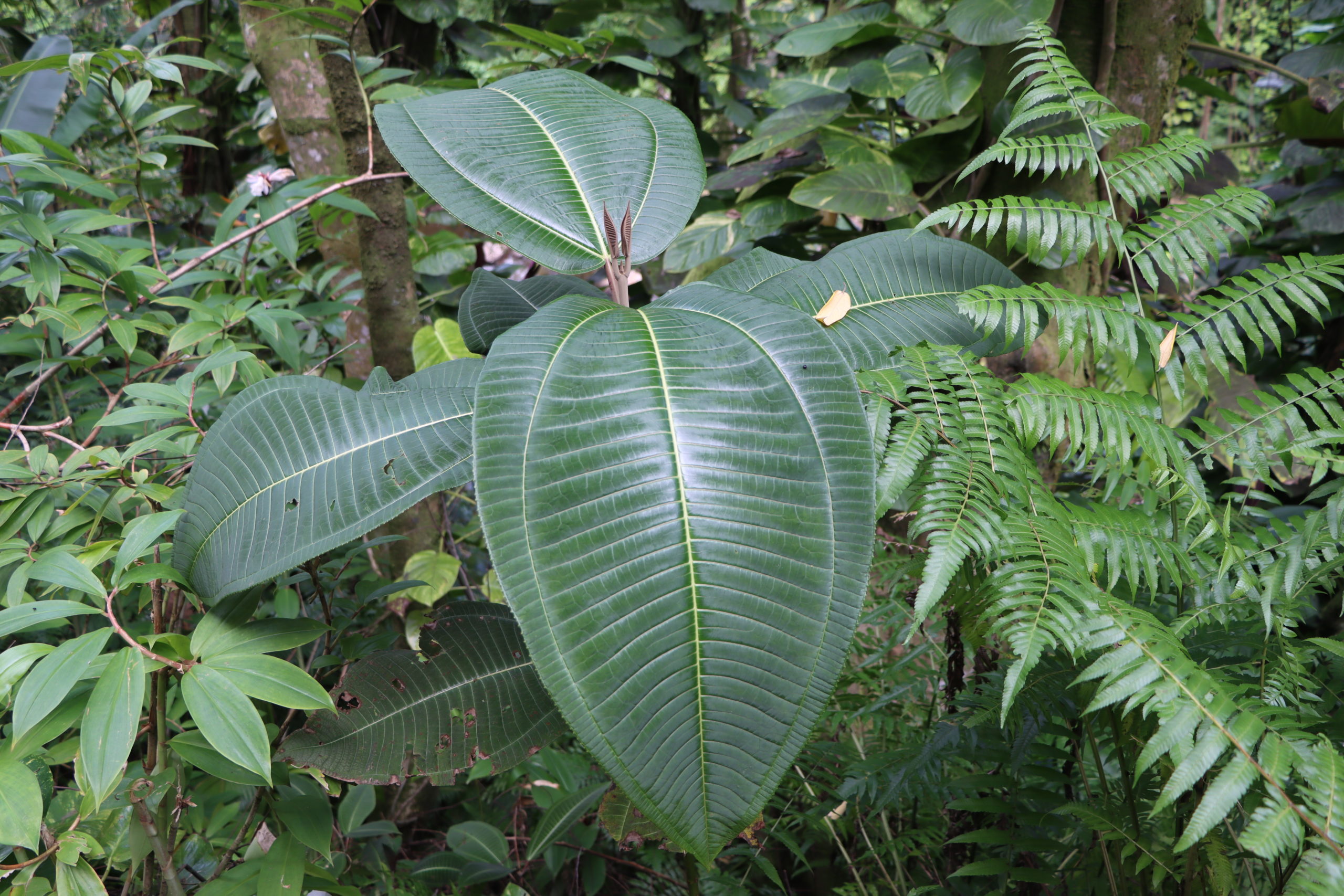
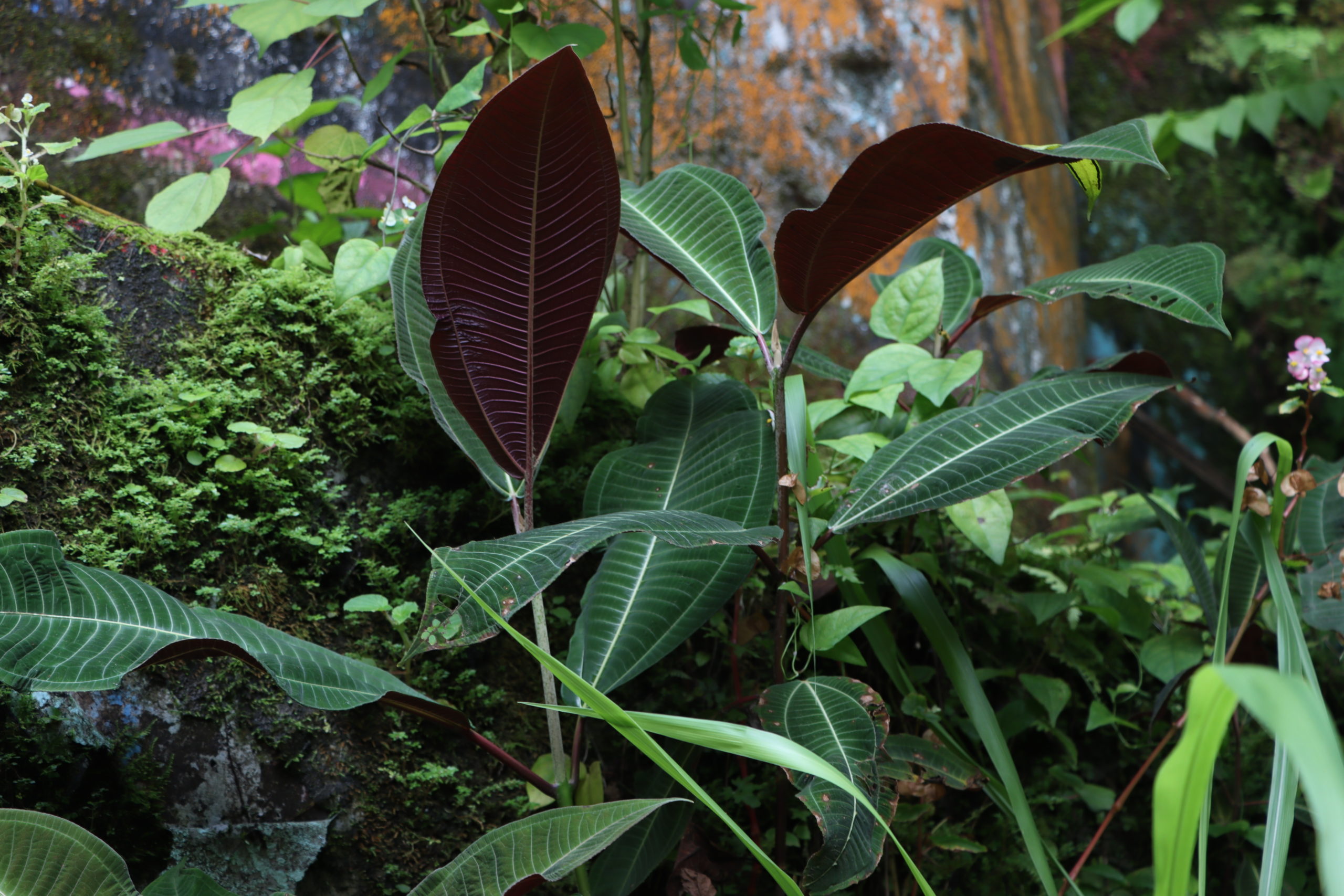
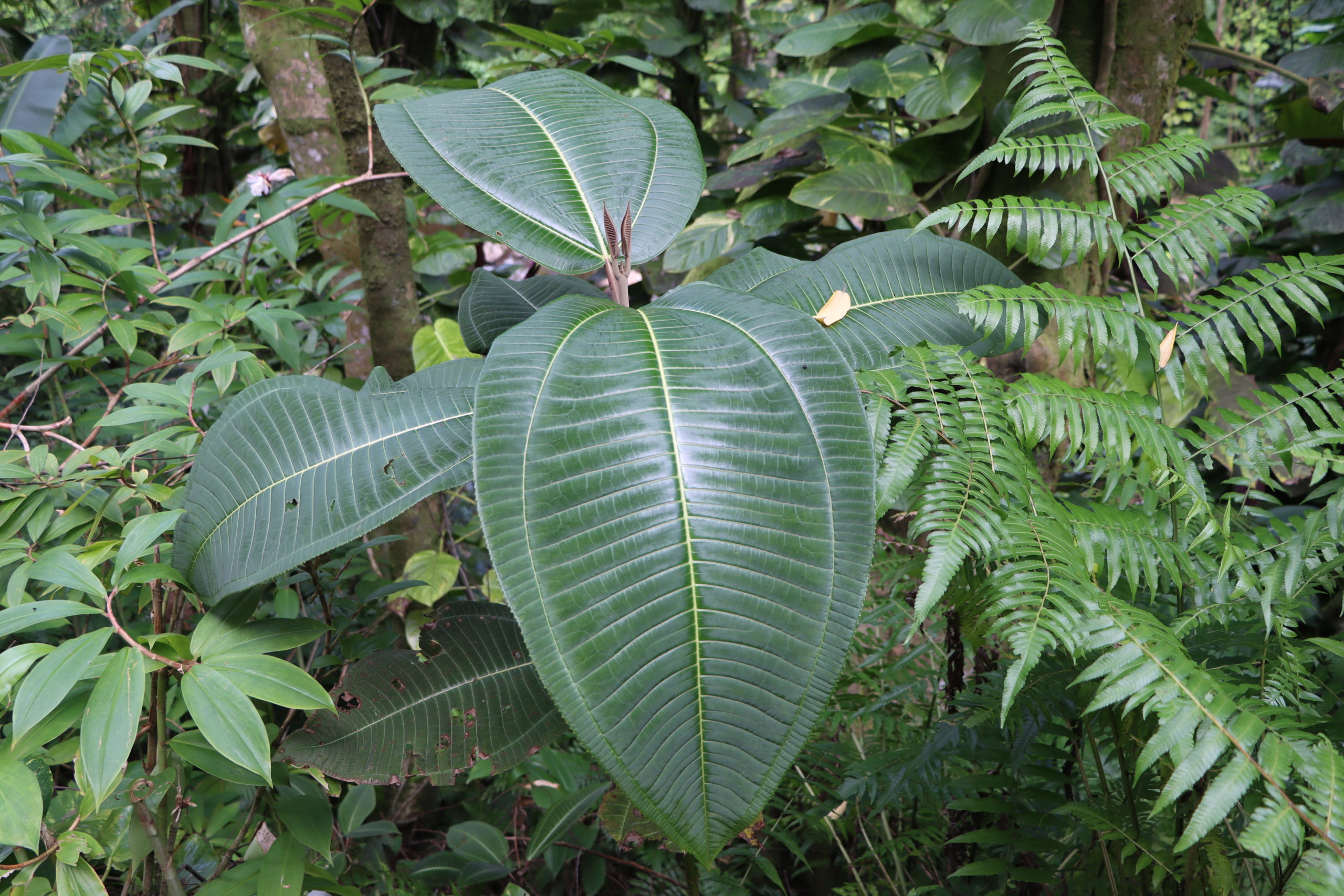
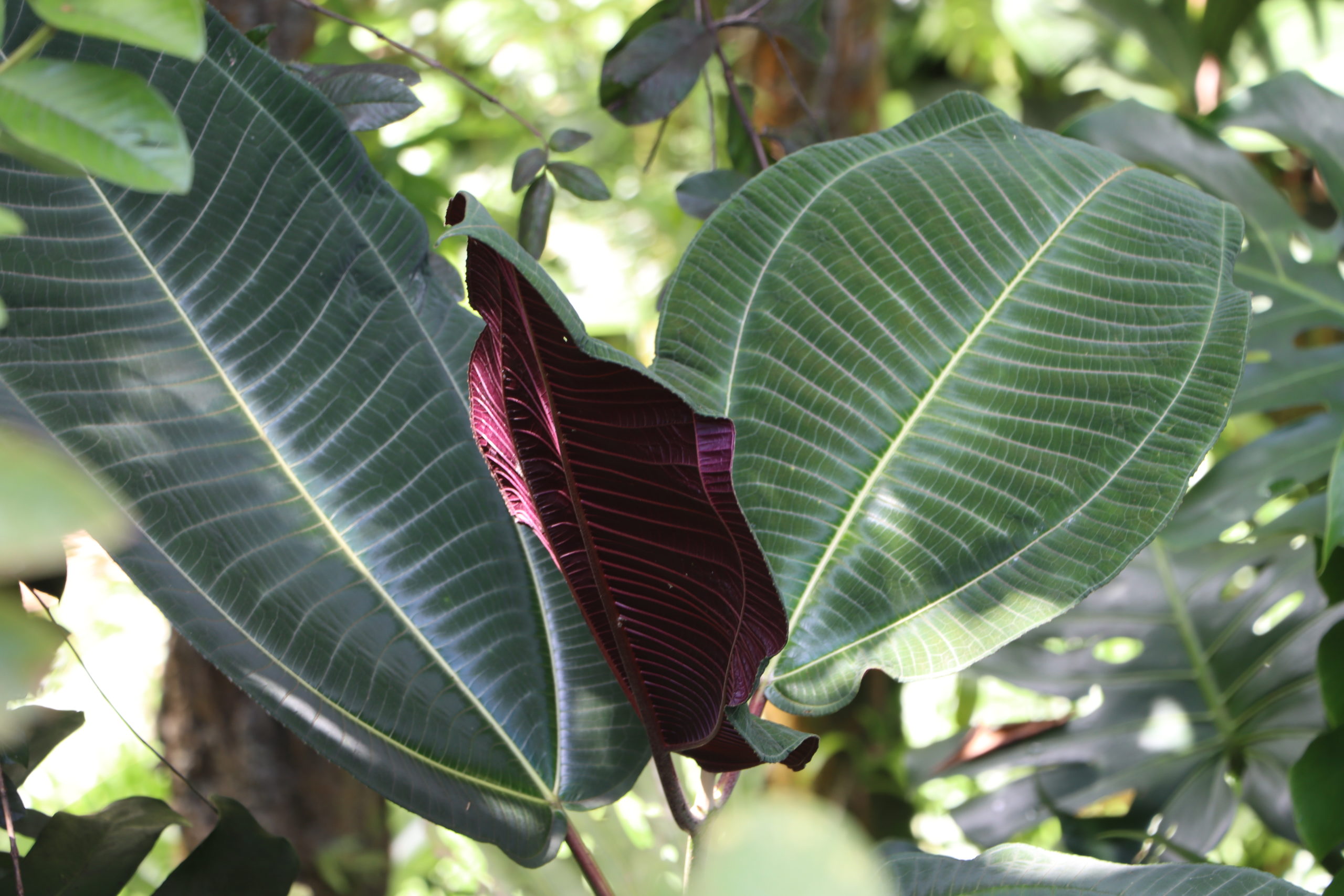
  • Large oval-shaped leaves, green on top, purple underneath, with three main midribs running from stem to leaf-tip
  • Flowers are small in size, white to light pink in color, grow on a stalk  in clusters
  • Small dark purple fruits grow in clusters. Each one containing 100s of sand-sized seeds
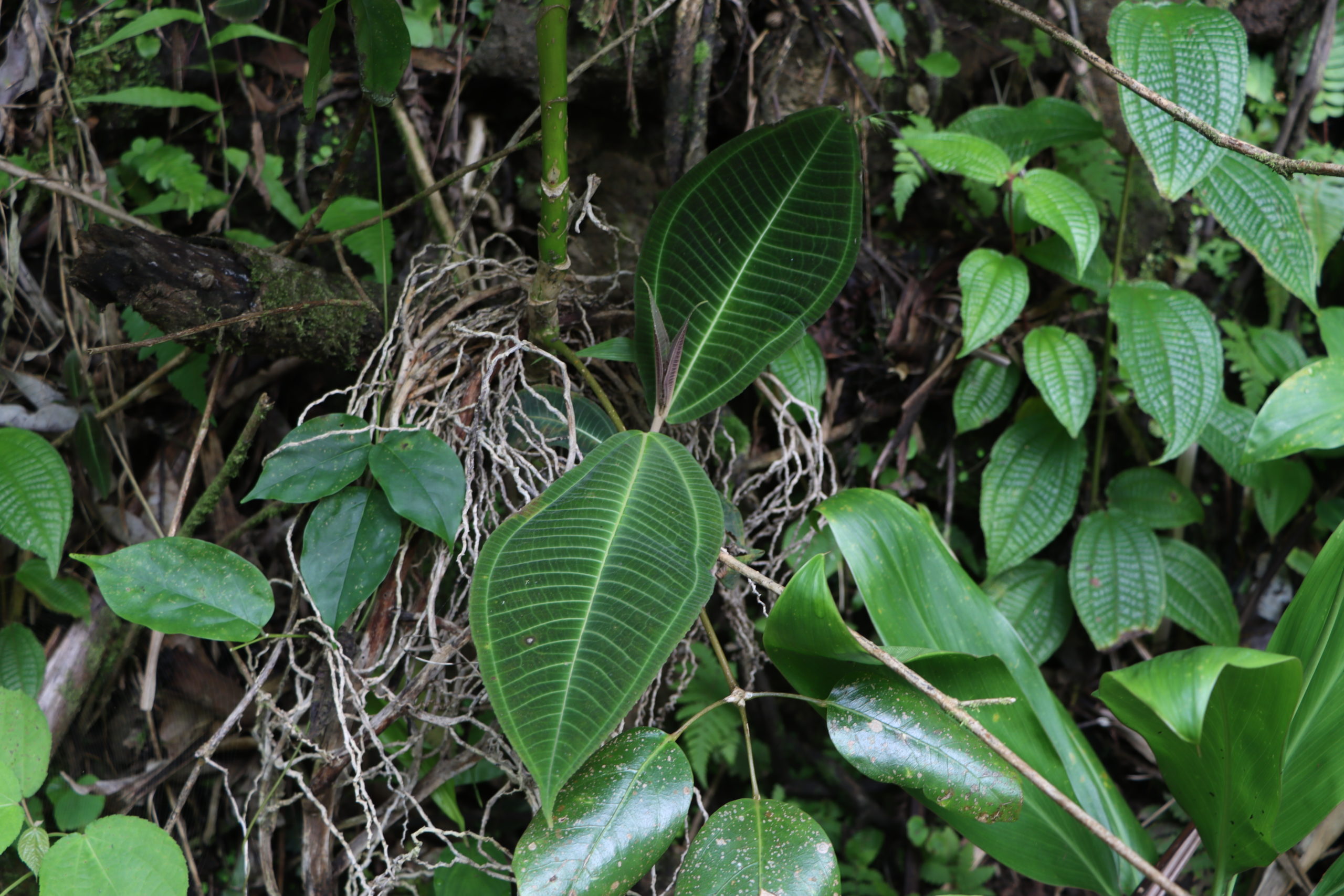
Photo from above of a new miconia plant emerging from the ground, showing the very large leaves relative to the plants around it.
A person holds two very large leaves showing a shiny green side of one and the purple underside of the other.
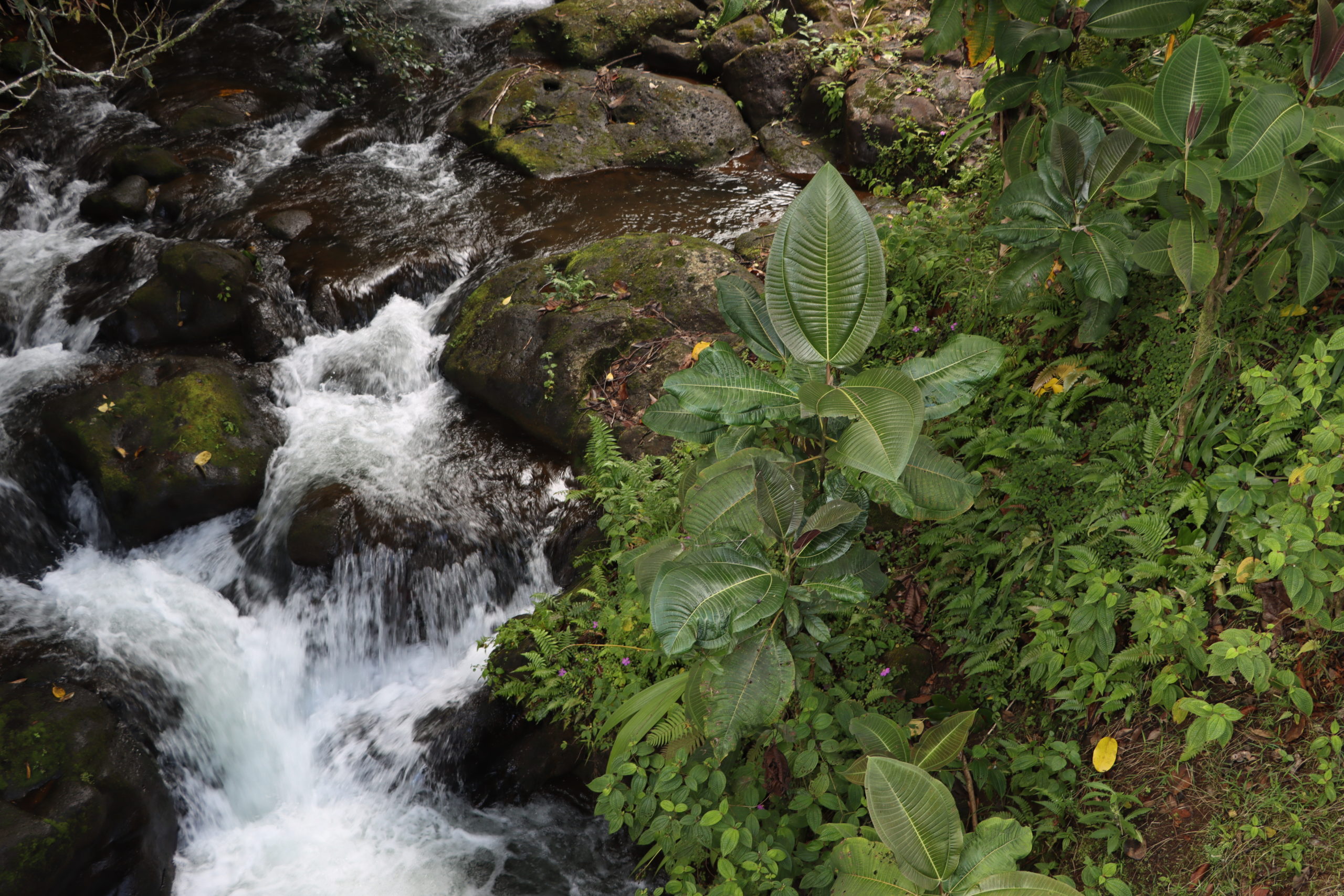
A miconia plant grows next to a small stream.
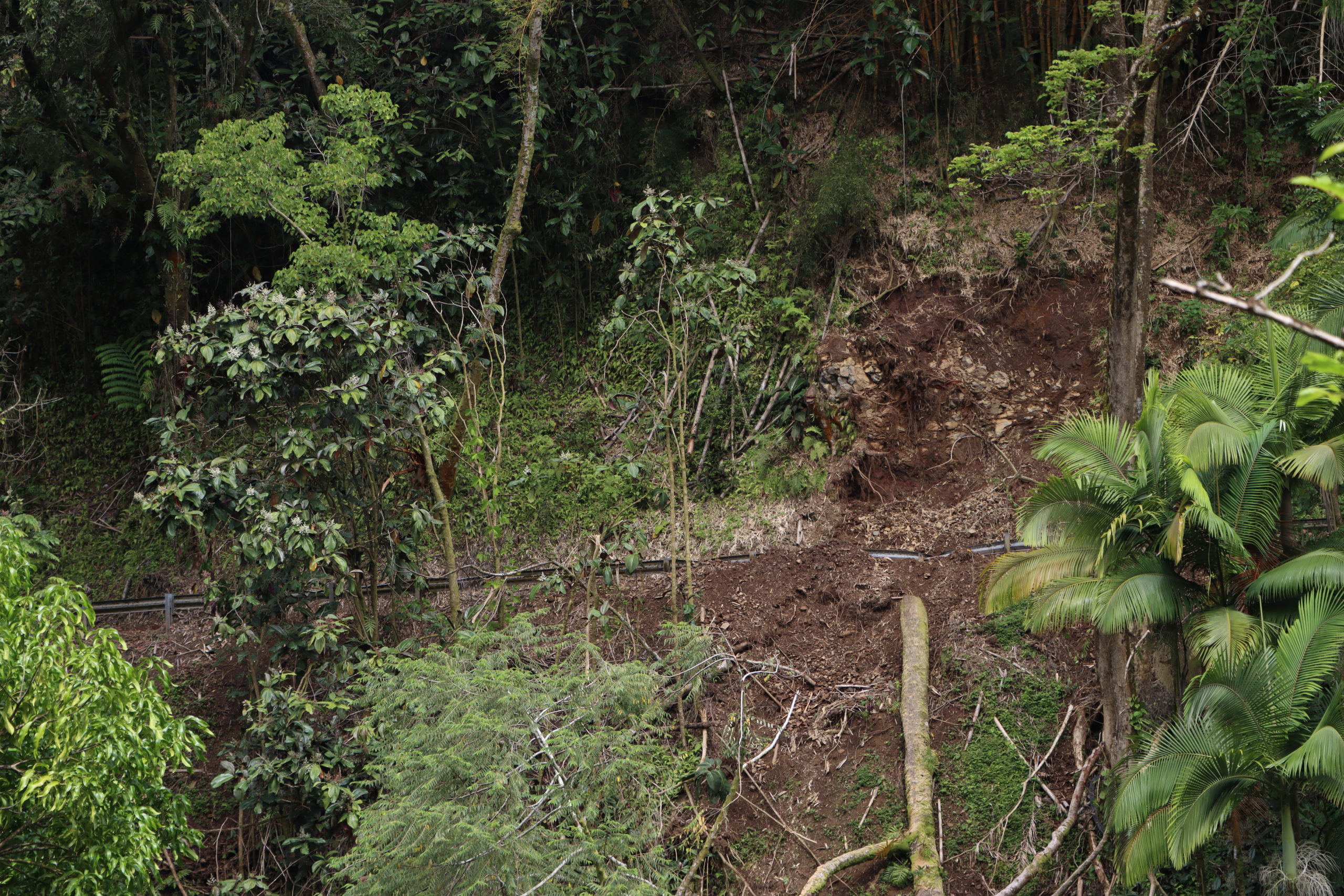
Photo shows a small landslide on a Hawaiian slope which is invaded by miconia plants.
The shallow roots of miconia encourage erosions and landslides.

What we do at BIISC

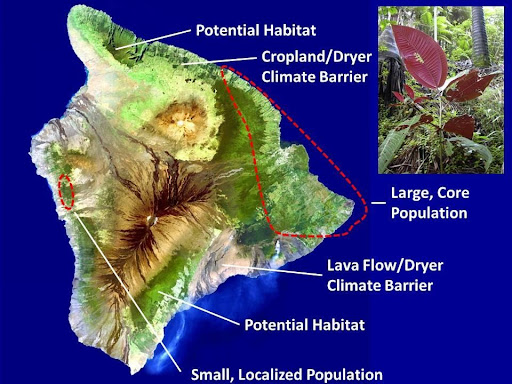
The Big Island Invasive Species Committee (BIISC) has worked with partner agencies to control miconia in areas such as Wao Kele O Puna and the Keaukaha Military Reserve-Lowland Wet Forest. BIISC is actively monitoring and controlling miconia along the Hamakua boundary to prevent incursion into Kohala, which does not yet have detections of miconia. Hawaii island has several large natural climate barriers that prevent the introduction from heavily infested sites. It’s unlikely a bird or animal would carry the seeds across the barrier, but it is possible that human movement of seeds (such as in mud stuck to tires) could be a vector.

Controlling Miconia

Information on how to control miconia can be found here.

Map credit: Jonathan Price, Department of Geography, UH Hilo

Miconia

Miconia

Miconia was imported to Hawaii Island as a botanical specimen sometime between the late 1950s/early 1960s. According to lore, the first imported plants died, and the pot was abandoned under a dark greenhouse bench on private property. Sometime later, new plants germinated in the discarded pot. The grower was amazed at the resilience of the miconia plant. (In hindsight, this was a good indicator of how invasive miconia would become.) The miconia plants were then shared among plant enthusiasts on the East side of the Big Island, including the Hirose nursery.

Dr. Forsberg, an outstanding botanist specializing in the Pacific, warned authorities in 1971 about the destructive nature of Miconia. It is the one plant that could really destroy the Hawaiian native forests, he said. By that time, miconia was already wreaking havoc in the islands. Studies have shown that 1 tree can produce 3 to 9 million viable seeds in 1 year, remaining viable for (at least) 19 years in the soil. The build-up of seed deposits in the seed bank makes mechanical and chemical eradication almost impossible. Today, Miconia is listed as a state noxious weed, as one of Hawaii’s Most Invasive Horticultural Plants, and is listed as one of the “World’s 100 Worst Invasive Alien Species“.

Impacts:

  • Forms thick stands, shades out native plants and completely takes over moist and wet forests creating a monotypic forest
  • Forms an umbrella over the watershed, reducing the amount of rainwater that seeps into the watershed
  • Shallow root systems promote erosion, degrading the quality of surface water and increasing sedimentation of nearshore reefs
  • Sand-grained sized seeds easily spread by birds and other animals when they eat the fruit. Seeds also spread by people when contaminated dirt or mud sticks to shoes, clothing, equipment, or vehicles
  • Introduced to Tahiti in 1937 and has since overwhelmed two-thirds of Tahiti’s forests, and is directly responsible for threatening 25% of their native forest species with extinction
  • Self Fertilizing- One sand sized seed, eaten by a bird and excreted far away, can create a new monotypic forest

Description:

  • Grows up to 50 feet with broad distinct leaves and shallow roots
  • Large oval-shaped leaves, green on top, purple underneath, with three main midribs running from stem to leaf-tip, each leaf can get up to 3′ wide
  • Flowers are small in size, white to light pink in color, grow on a stalk  in clusters
  • Fruits are plentiful, dark purple, sweet and attractive to birds

Miconia (Miconia calvescens)

miconia
miconia
miconia

Photos (L-R): BIISC, Forest & Kim Starr, BIISC

Controlling Miconia

Physical control: Smaller saplings can be pulled out by hand. Cut mature trees and repeat as needed. Multiple stems will regrow from the stump. Dispose of green waste to prevent vegetative reproduction.

Chemical control: Application method basal-bark thin line application.

  • Use an oil-based triclopyr product. Always read the label thoroughly before using any pesticide to ensure you are using the product in the correct manner prescribed by law.
  • Directions. The herbicide is dripped in a continuous line around the base of the Miconia trunk. No bark needs to be removed, but it is a good idea to wipe away the moss and any soil that is present.

Biocontrol: The miconia butterfly (Euselasia chrysippe) is a potential biocontrol candidate for Hawai‛i. In its caterpillar stage, the herbivore miconia butterflies feed in tight-knit groups of 40-80 or more on the leaves of miconia.

Invasive Species in Hawai‛i

Invasive Species in Hawai‛i

Invasive species have a two-part definition: first, they must have been introduced to an area, arriving through human intervention. Introduction alone does not mean a species is invasive; many introduced species can have deep importance for us. They may be culturally important plants such as ti leaf or kalo, key agricultural crops like mac nuts and coffee, beneficial insects like bees and butterflies, or simply beloved for their beauty, like bird-of-paradise. Although none of these species are biologically native to the islands (native species have ancestors who arrived on their own via wind, wings, or waves), they have become a critical part of the Hawaiian landscape and the human relationships with the natural environment of our islands.

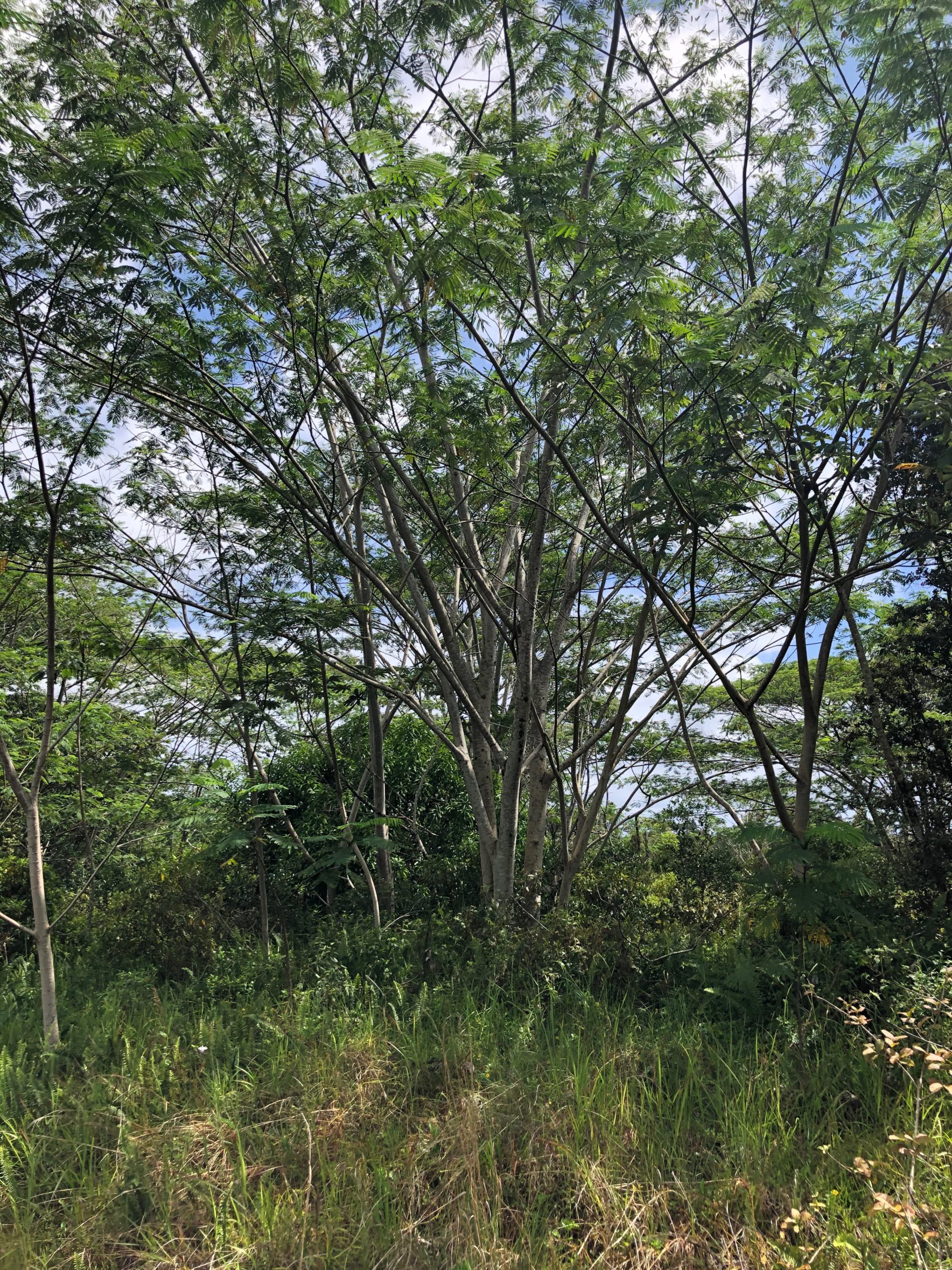
Of the hundreds of species humans have introduced to Hawai‛i over the years, several dozen plants and animals we now know have caused serious harm. That is the second part of the definition: by federal law, invasive species are those which cause or could cause harm in at least one of three areas: the environment, the economy, or human health. Sometimes, when a species arrives in a new environment without the diseases, predators, and competition that it evolved within its native range, it can get out of control. Albizia trees are a great example: in Hawai‛i, they are the fastest-growing tree in the world, but this is not true in their native range, where their growth is restricted by natural enemies.

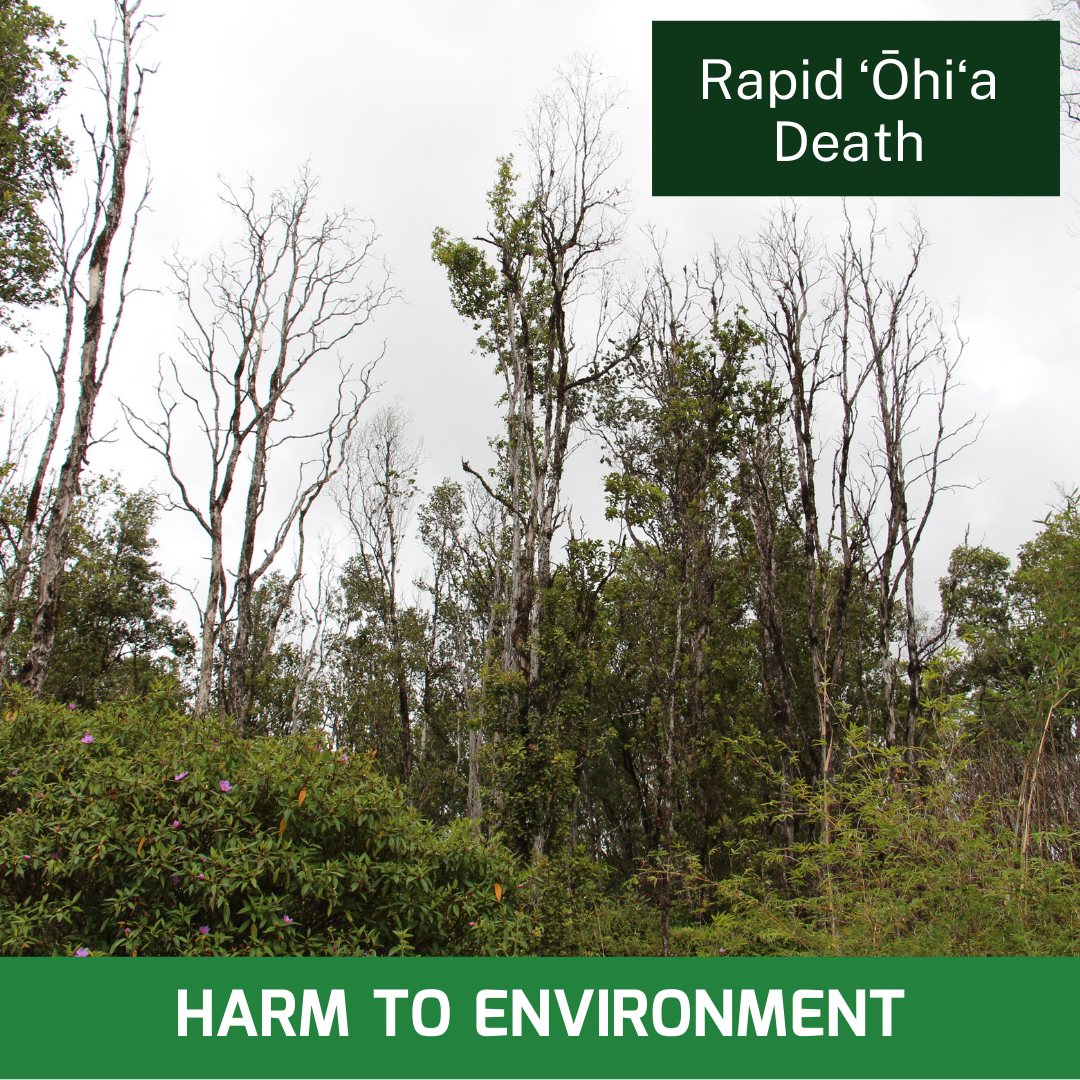
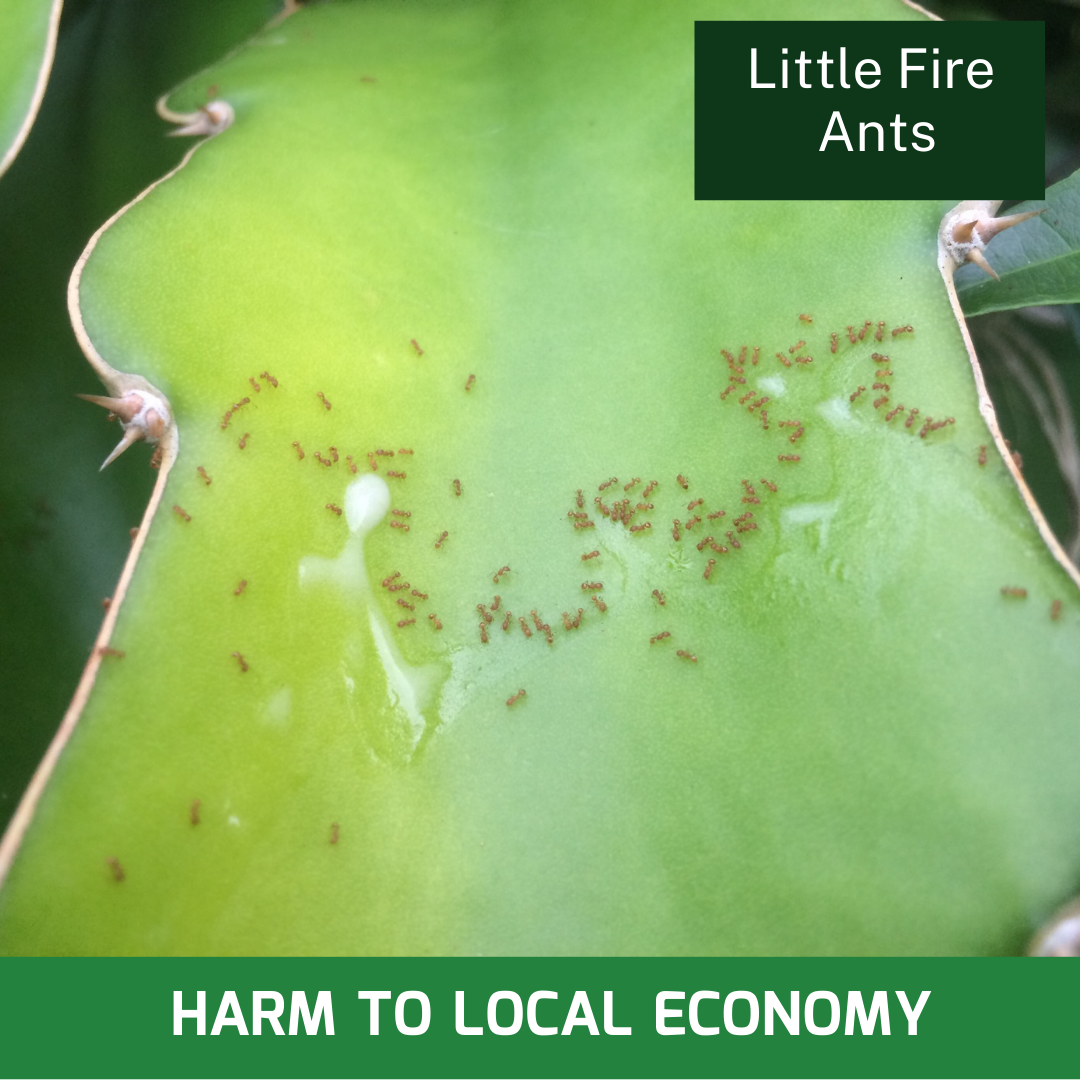
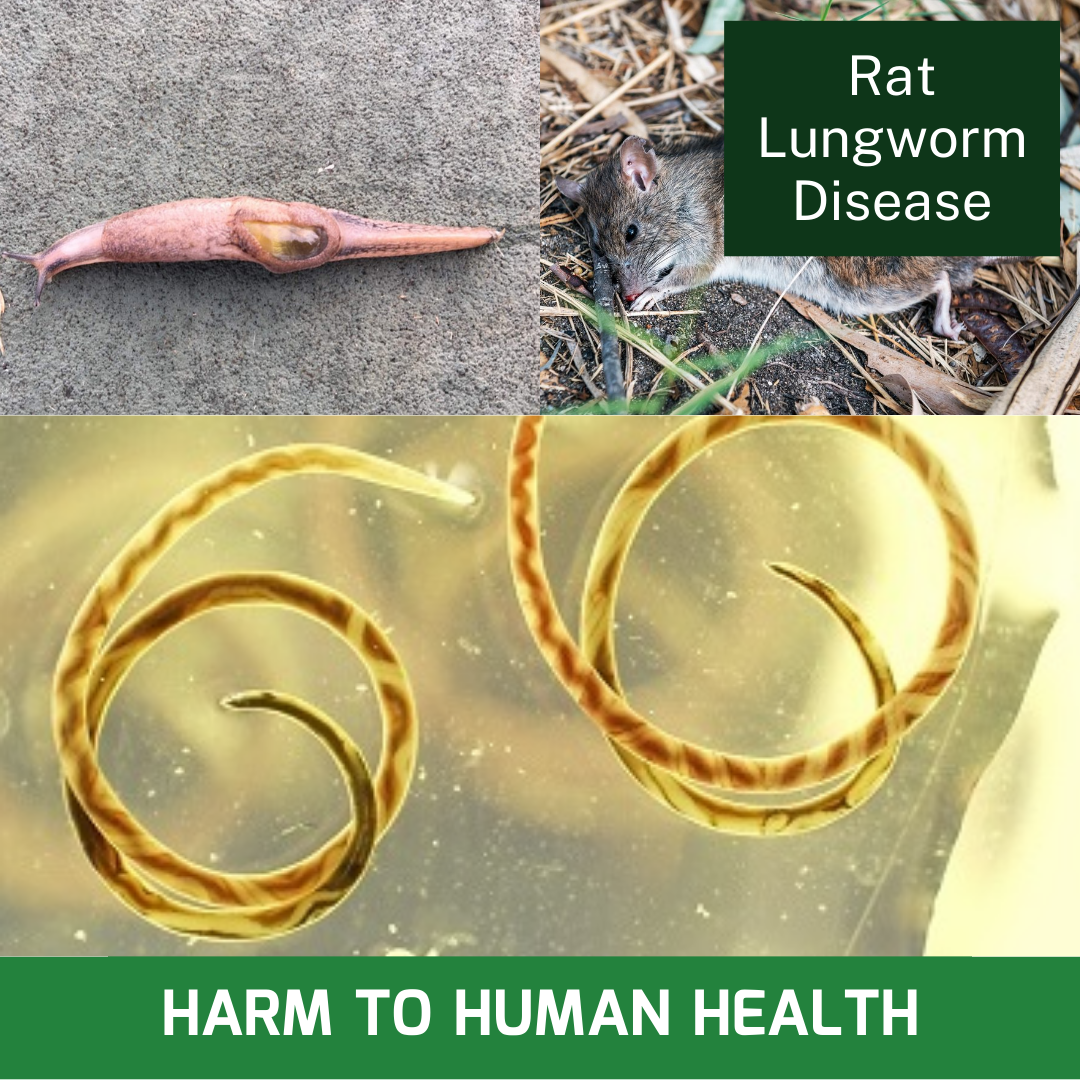
An invasive species is introduced to Hawai‛i (through human intervention) and causes significant harm in at least one of three areas:

Island ecosystems are more vulnerable to invasion by harmful species that may not face the stiff competition for nutrients and resources that they would in a continental system. On continents, habitat destruction is the current top threat to endangered plants and animals, but on islands, the #1 threat is invasive species. Hawai‛i has the distinction of having more plants and animals on the Endangered Species list than any other state. Globally, Hawaii is considered both a hotspot of biodiversity and a hotspot of extinction.

Of the World’s 100 Worst Invasive Species, as designated by the International Union for the Conservation of Nature (IUCN), half are already present in Hawai‛i.  And this list does not even include many of our worst economic pests, like tephritid fruit flies and coffee berry borer; high-risk health threats, like semi-slug & the rat lungworm parasite; or new environmental threats like rapid ‛ōhi‛a death. Because of our unique Hawaiian environment, many organisms that have little effect elsewhere have big impacts here.

Currently, there is no single “list” in Hawai‛i for the top invasive species. Some are currently widespread on some islands but absent on others, some are currently still restricted to limited areas – which requires sustained and intensive effort on the part of many agencies and landowners. Ask what the “top” invasives are, and the answers will differ for a farmer in Kohala, a rancher in Ka’ū, a Park Ranger in Volcano, or a homeowner in Puna.  A good list of the most impactful invaders can be found on the Hawai‛i Invasive Species Council website.

Plant Control

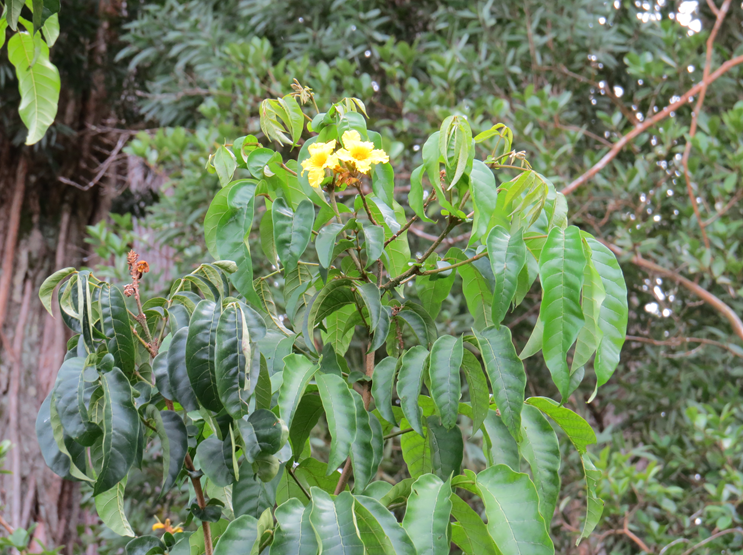
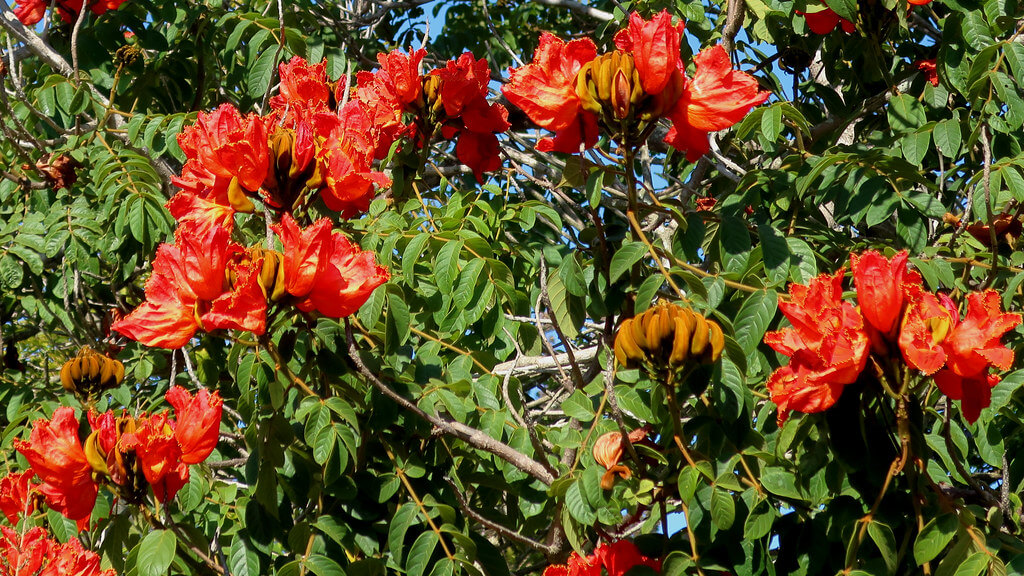
invasive Nile Tulip (Markhamia lutea)

Plant Control

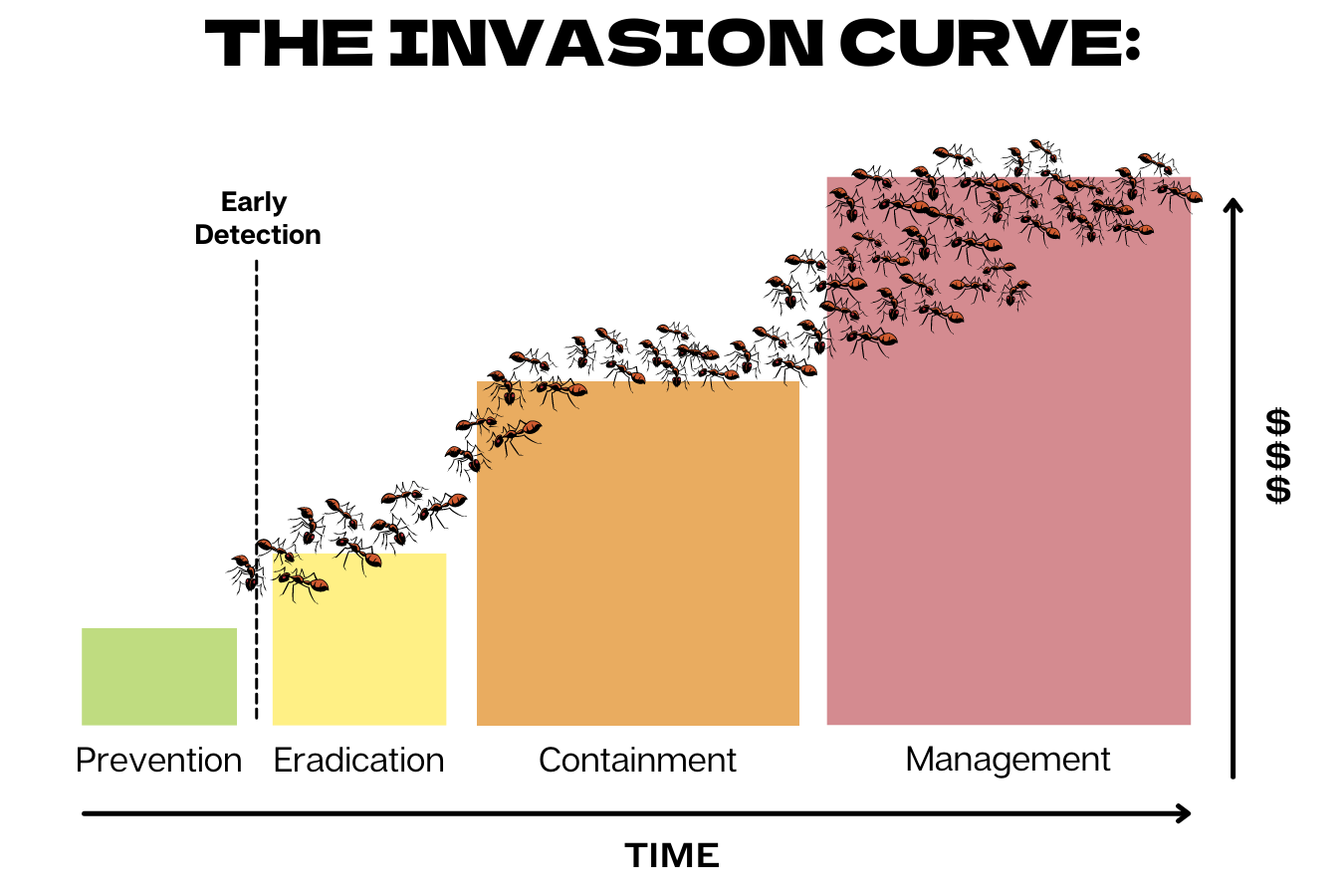
BIISC was formed in 2005 when a group of scientists, land managers, and conservationists recognized the need for early detection and rapid response to early stage invasive plants. While some of our island’s worst invasive species, like miconia and albizia, would require millions of dollars and huge inputs of resources to control, there was a window of time when they might have been eradicated. The BIISC Invasive Plant Prevention & Plant Control teams seek to act within that window – finding new invaders early, and removing them before they become as widespread as clidemia and fountain grass.

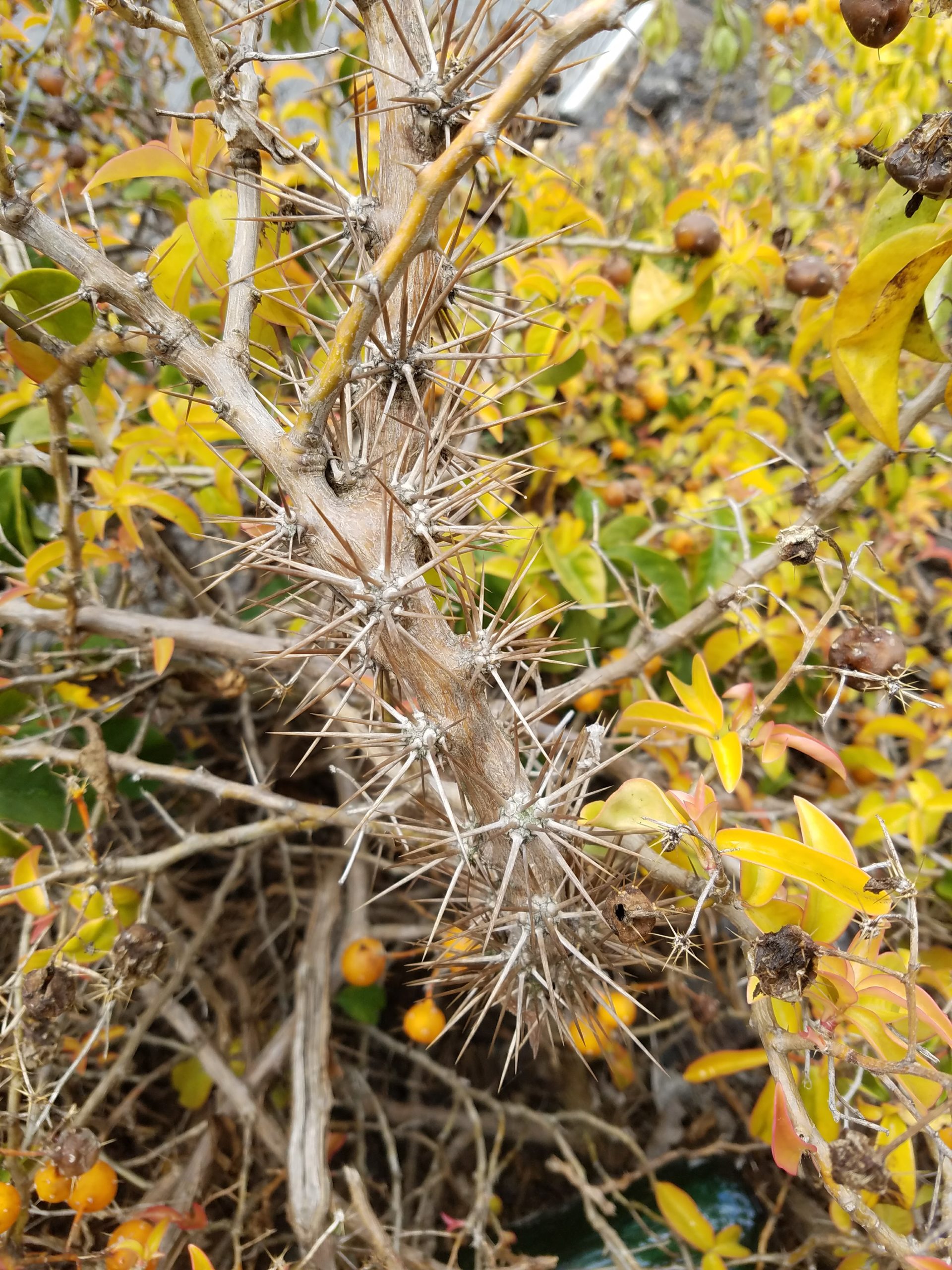
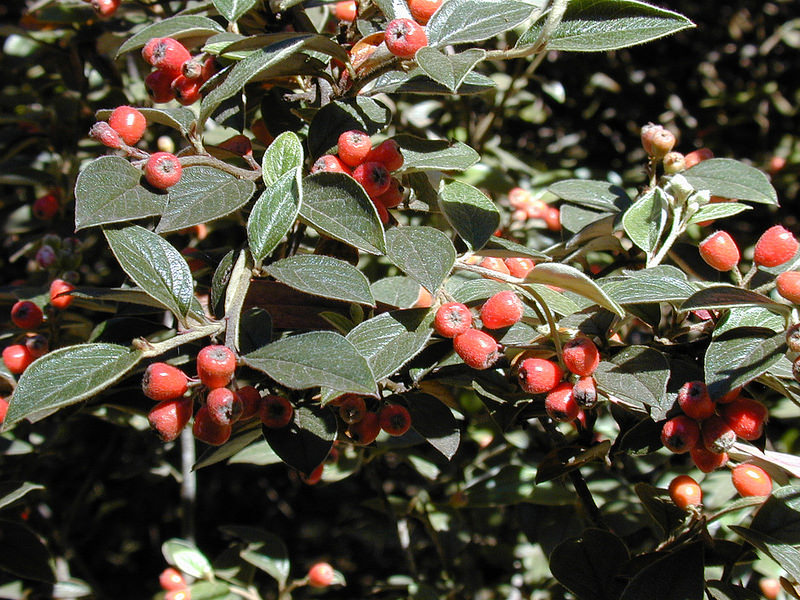
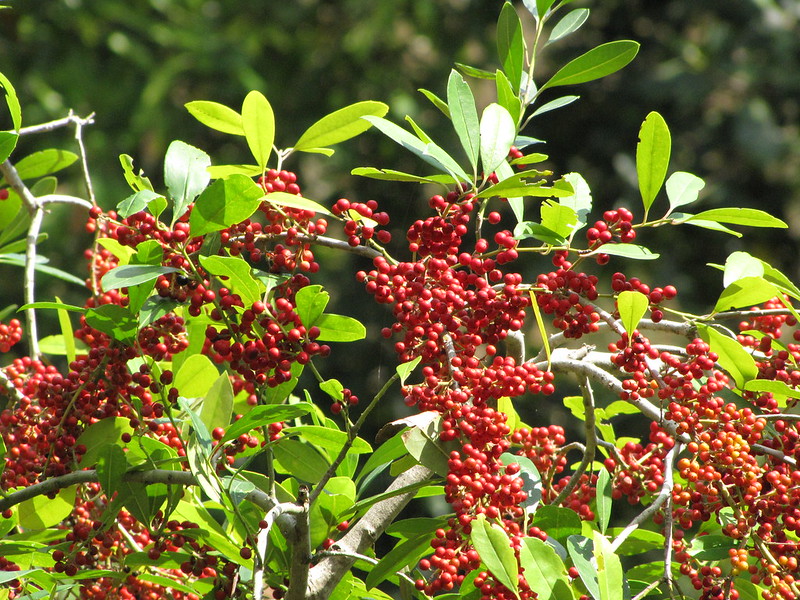
BIISC provides free plant identification to members of the public, who are asked to report any “new” plants they notice. We also actively monitor potential pathways for introductions, like retail nurseries and trailsides, to look for new invaders. Potential targets are assessed by our Steering Committee of experts in forestry, agriculture, and resource management, utilizing stakeholder and community input. Below are the plants currently slated for eradication (successfully eradicated species can be found here). Once a plant is declared eradicated, efforts continue, with some sites being monitored for years as determined by seed longevity.

Eradication Targets

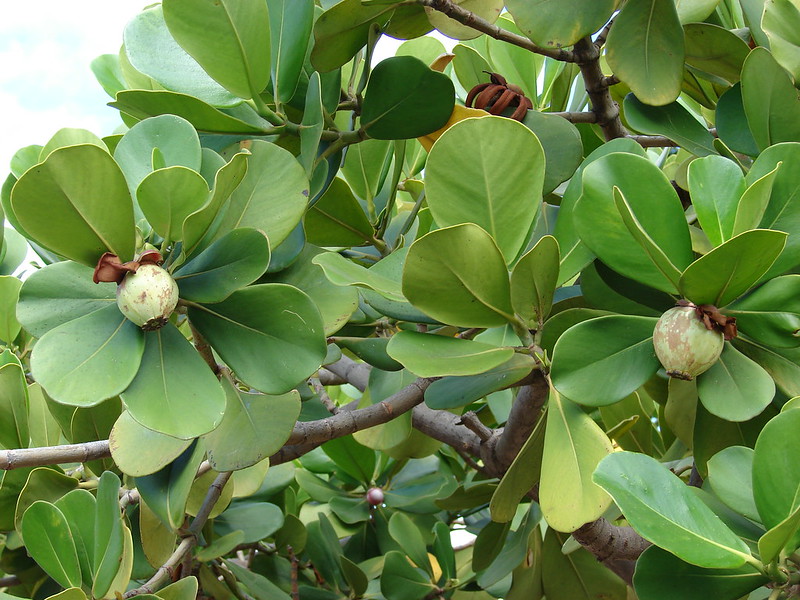
  • Barbados Gooseberry
  • invasive cotoneaster
    Cotoneaster
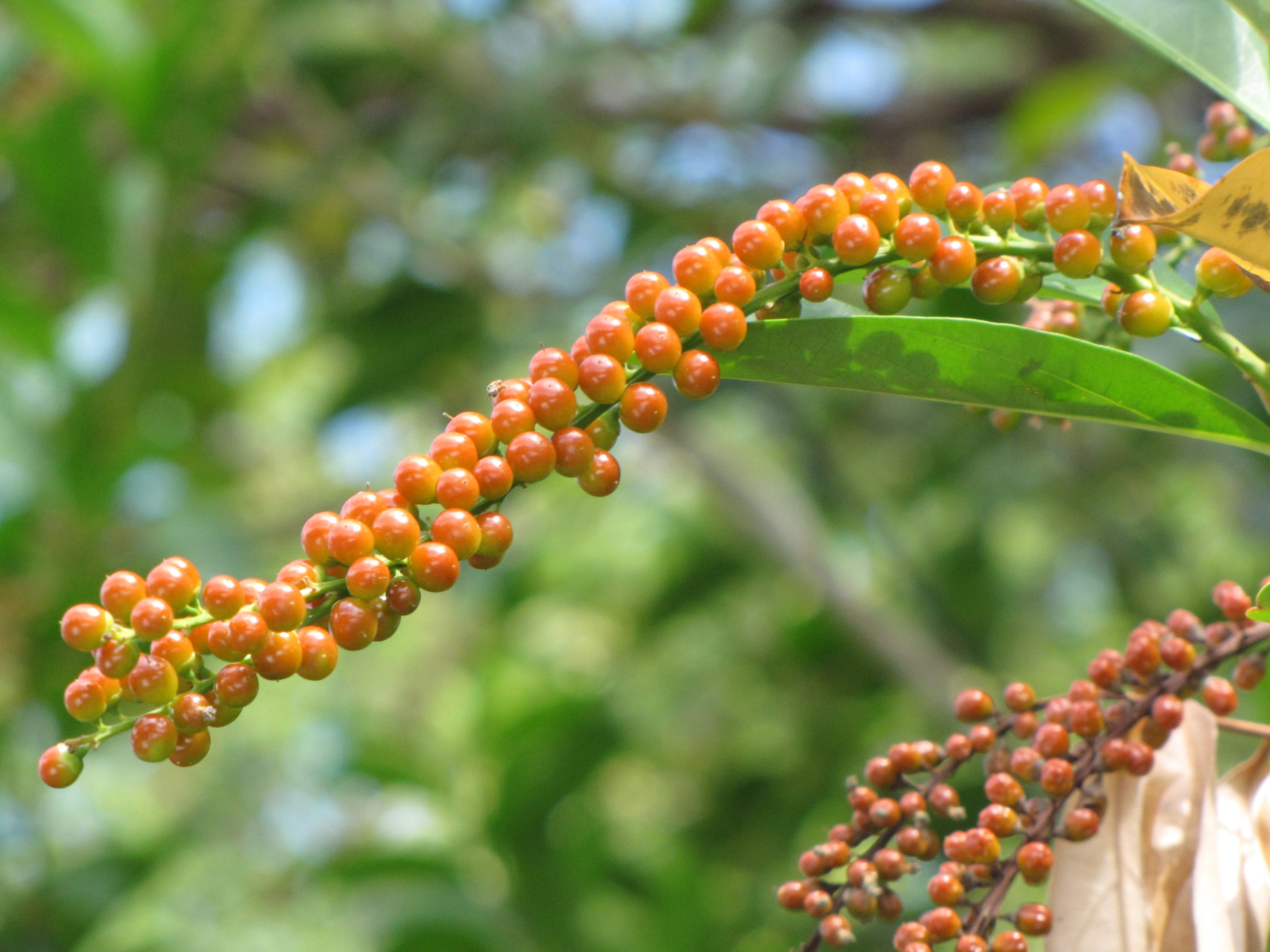
  • dahoon holly
    Dahoon Holly

Containment and Exclusion Targets

In some cases, the population of a new invading plant may be too large for eradication to be feasible with current resources. For those plants where we have an interest in preventing further spread, BIISC will work to monitor the surrounding area and control outliers in an attempt to keep the plant contained until such time as eradication may become feasible.

Some invasive plants are far too widespread for island eradication, but there is still a need to keep that species out of special places, like our watersheds. In those cases, BIISC works with land managers to actively control that invasive plant in a designated area. For instance, our crews regularly survey and treat for fountain grass in the Manuka Natural Area Reserve. We work with our partners at the DLNR Division of Forestry & Wildlife, Hawai’i Volcanoes National Park, and Hakalau National Wildlife Refuge to control invasive plants in the areas around critical native ecosystems.

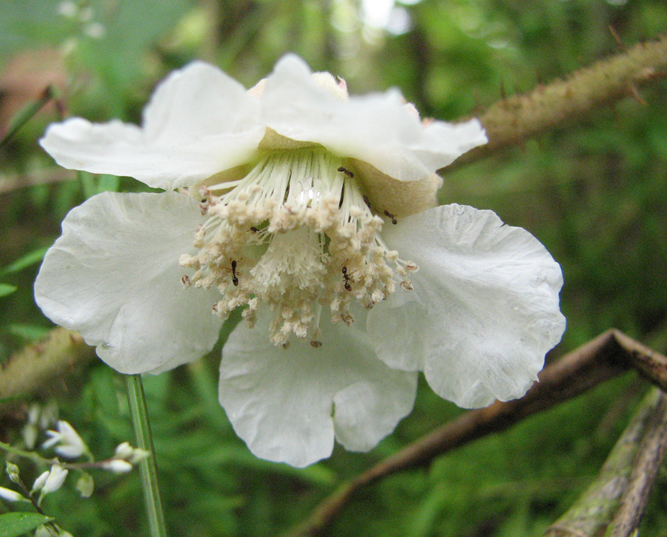
  • molucca raspberry flowers
    Molucca Raspberry
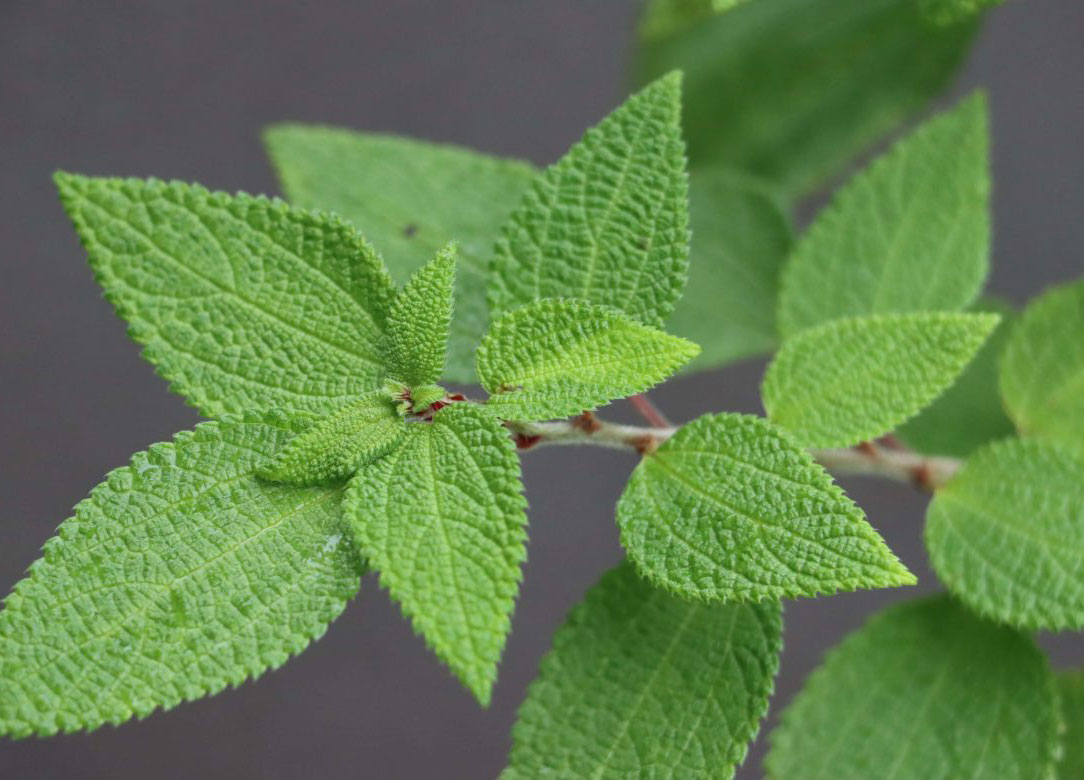
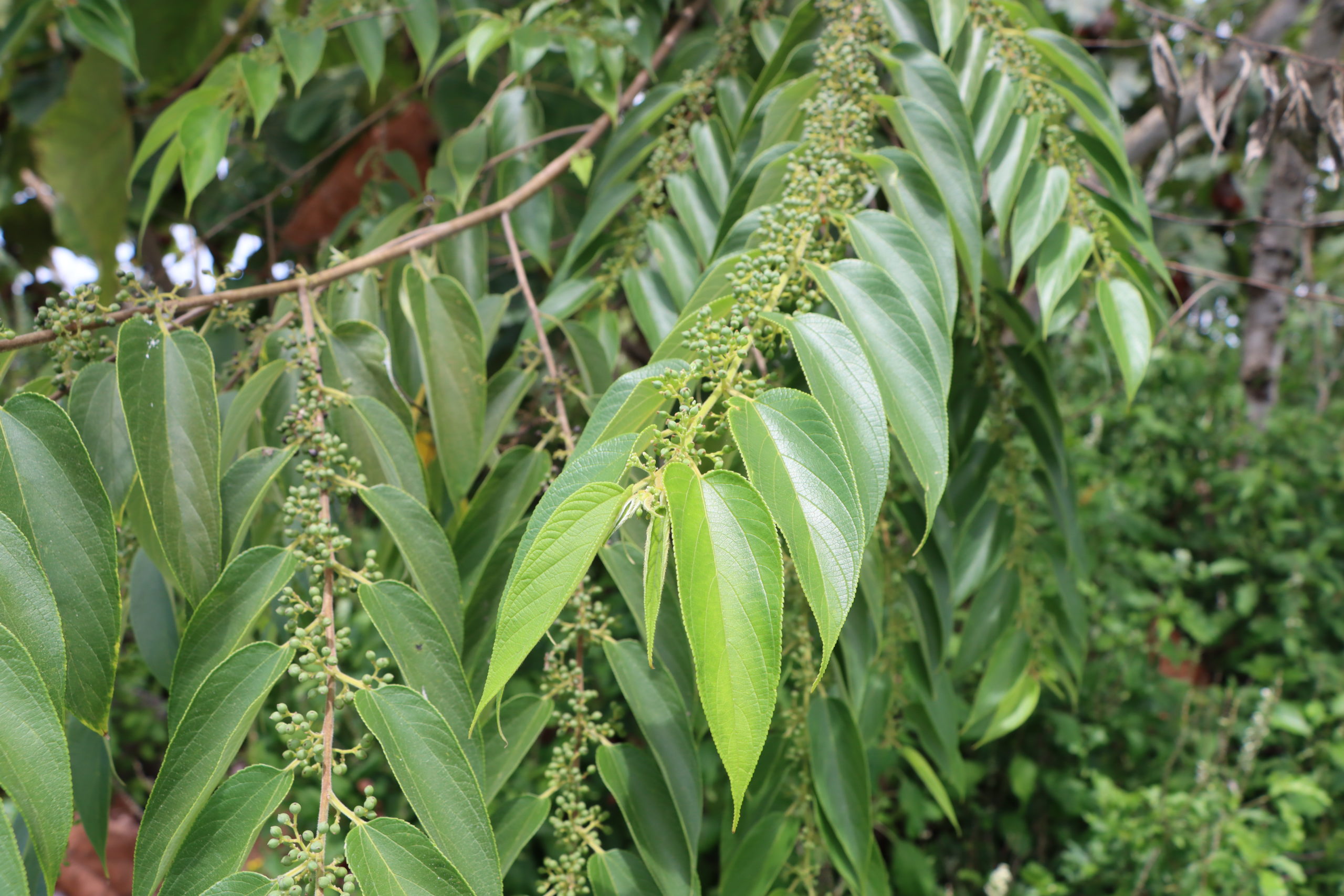
  • Phenax leaves and growth pattern
    Phenax hirtus
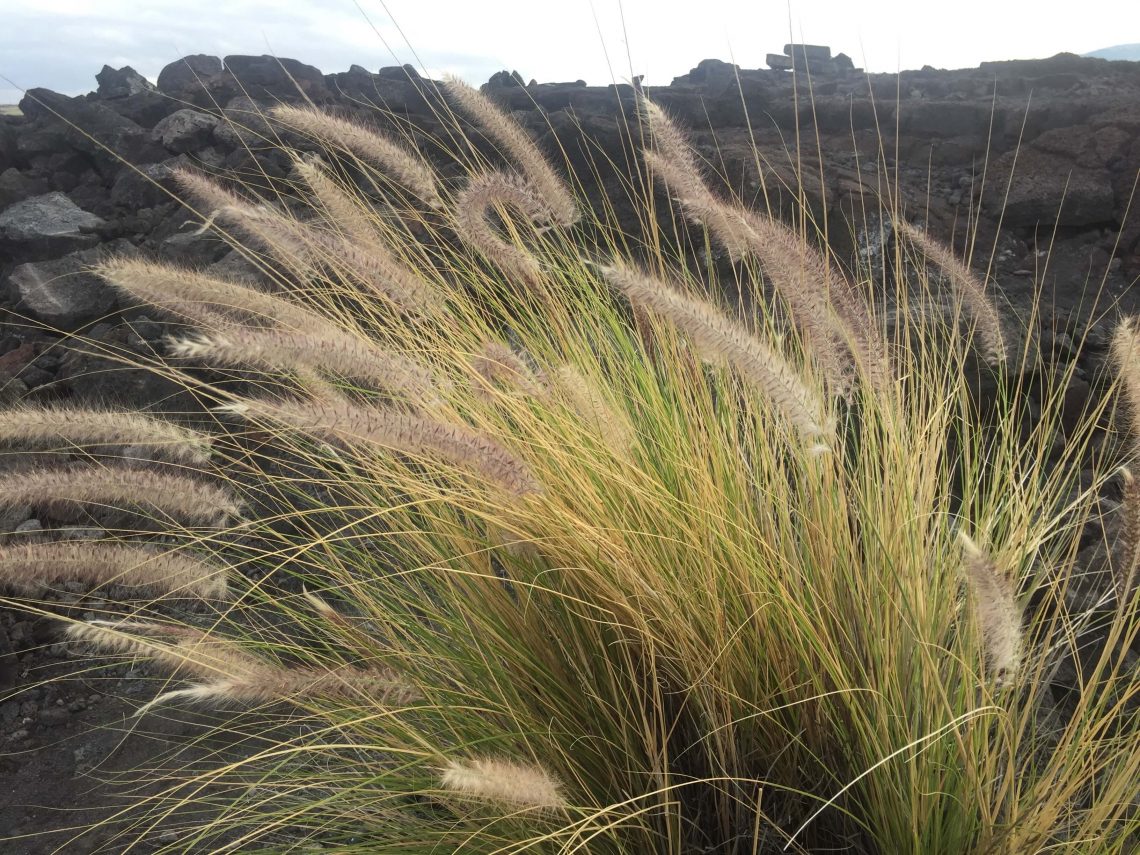
  • Fountain Grass

Next Page »

Big Island Invasive Species Committee (BIISC)

23 East Kawili Street, Hilo, HI 96720
(808) 933-3340


biisc@hawaii.edu

Sign Up to Receive Updates

Sign Up!

PCSU logo

Copyright © 2026 Big Island Invasive Species Committee (BIISC) · Sitemap · Designed by Websites with Aloha · Log in