Reporting CRB
As with any invasive species, early detection is key to a rapid response—and community reports make that possible. Reports help us to identify new areas of concern and prioritize monitoring, control, and outreach efforts. Use the form below to report suspect beetles, larvae, and palm damage:
Submit a CRB report:
Identifying Coconut Rhinoceros Beetle
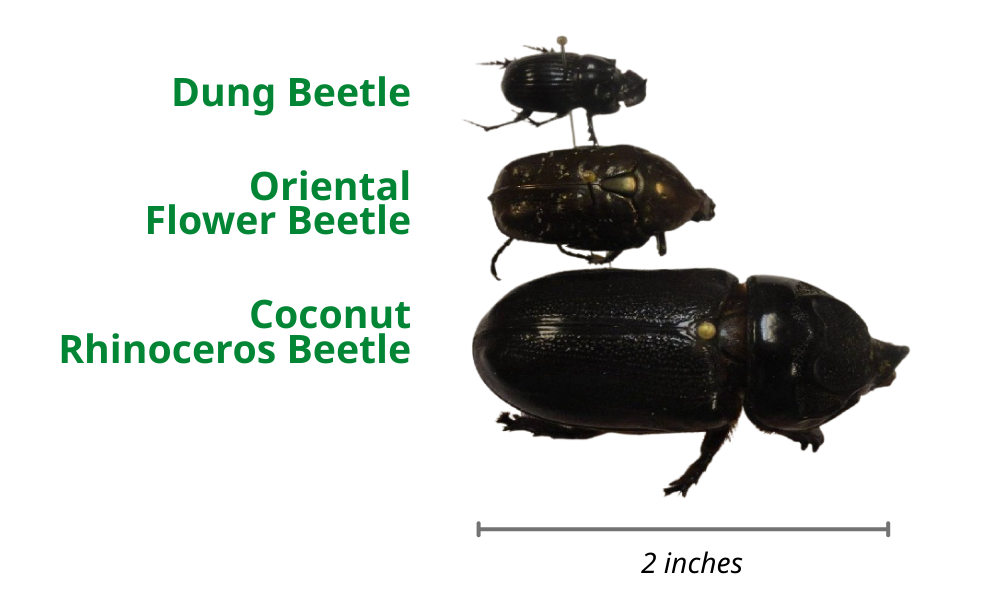
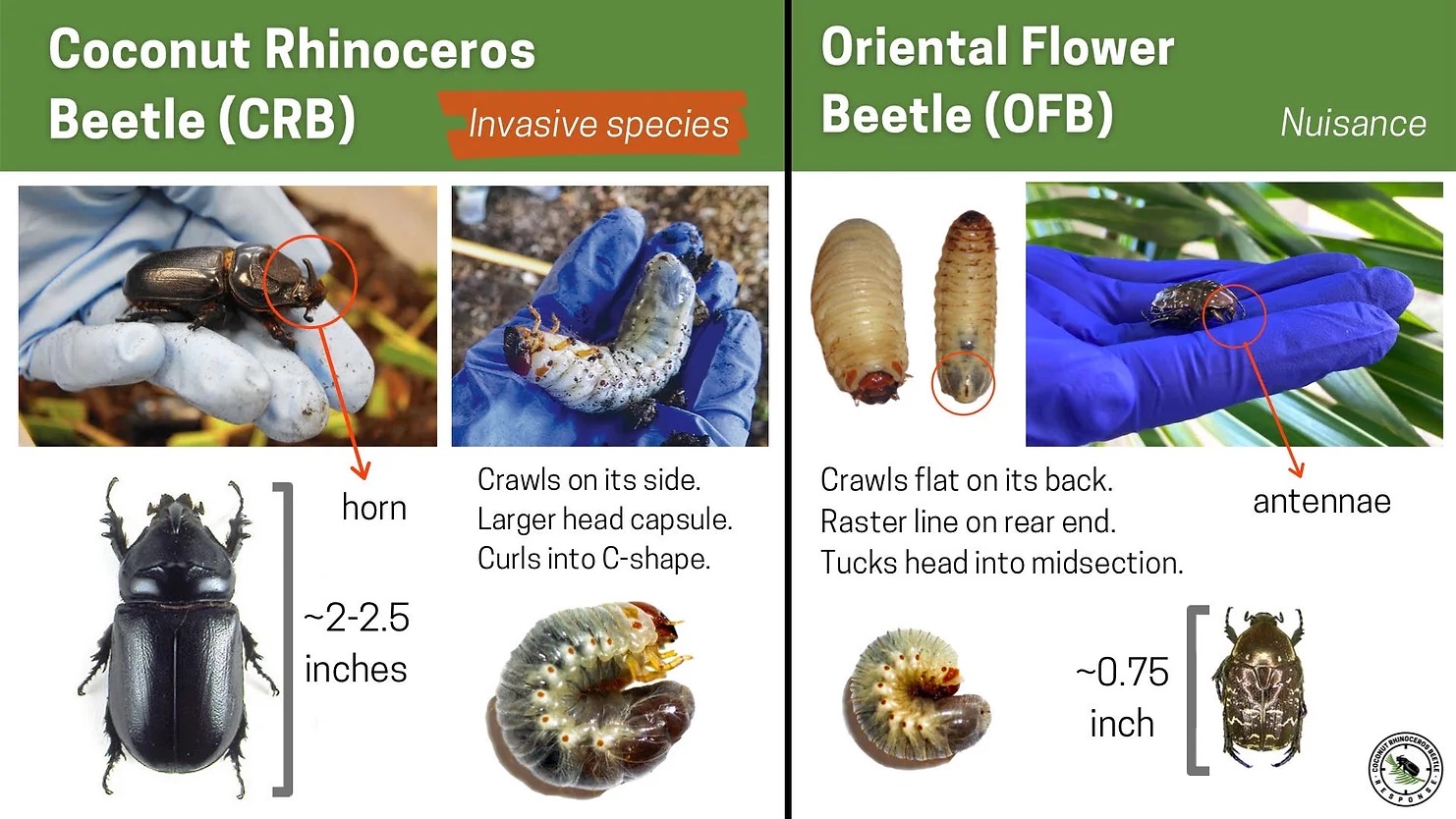
The adults are a large, glossy black beetle and can grow up to 2 inches long. It has a hard, smooth body and a distinctive horn on its head, which is longer and more curved in males and shorter in females. Adults are strong fliers and are most active at night, often attracted to lights. Several beetles in Hawaiʻi resemble the coconut rhinoceros beetle but are harmless and should not be confused with CRB. Knowing the differences can help prevent unnecessary concern.
The grubs of the two beetles appear nearly identical to the untrained eye. In fact, the easiest way to tell them apart is not by appearance, but by watching how they move. OFB grubs will flip over onto their back and wiggle away upside-down. CRB grubs will curl up into a C-shape and inch away on their side.
If you come across a suspicious beetle or grub and can’t tell if it’s an OFB or a CRB, take clear pictures and send them to us! Be sure to take a few moments to watch how they move before throwing them in the freezer (get a video if you can!). Providing that information can help us identify the grub species for you.
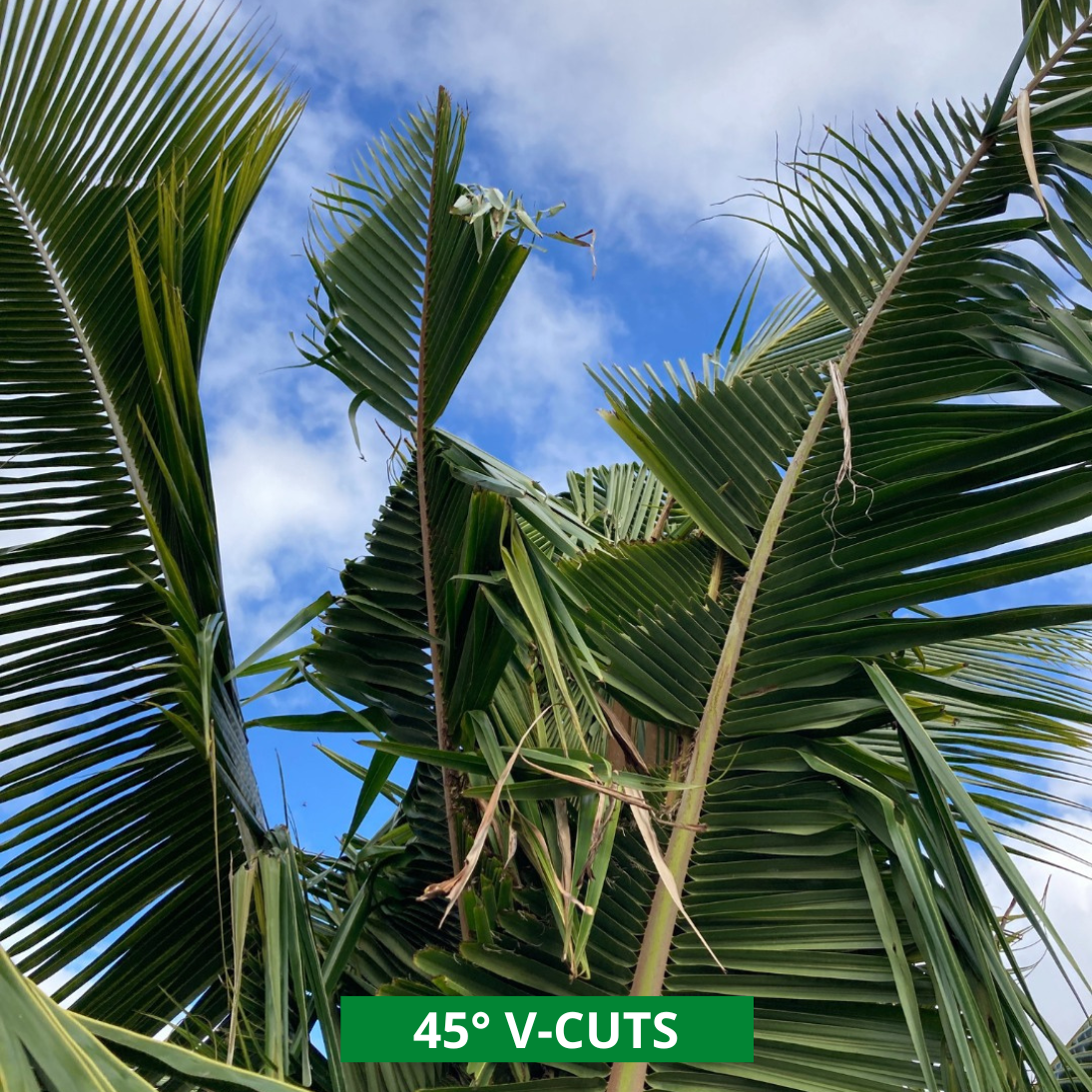
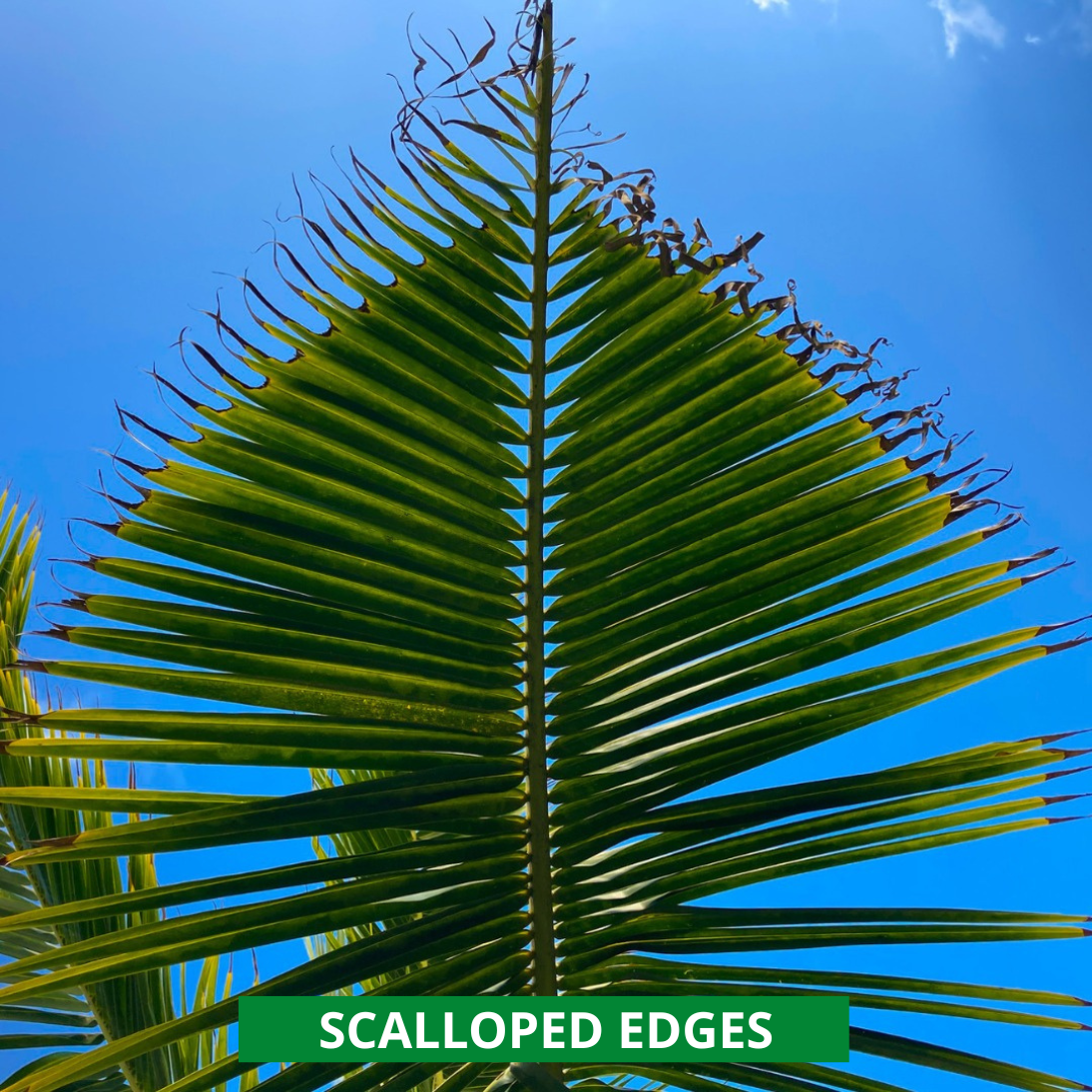
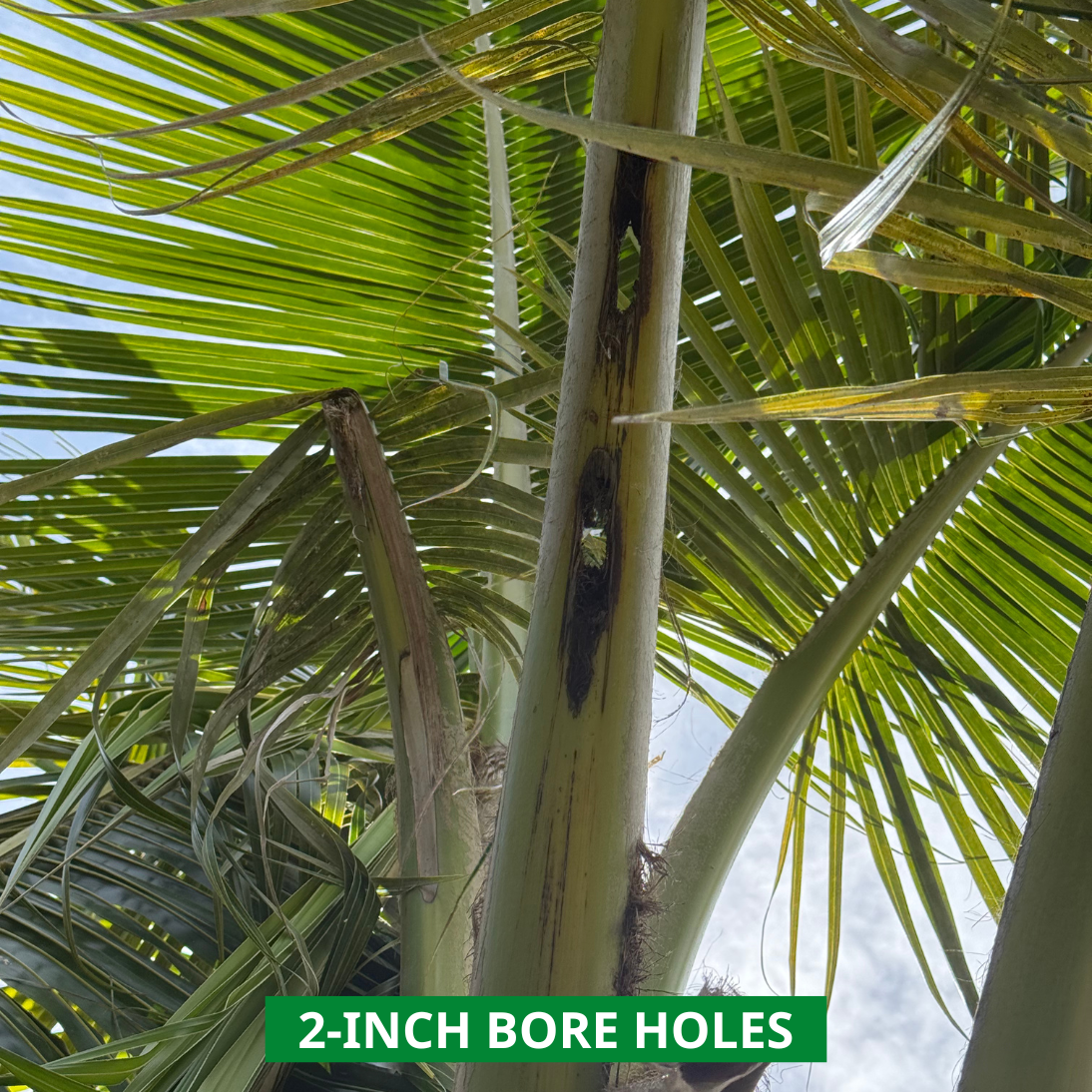
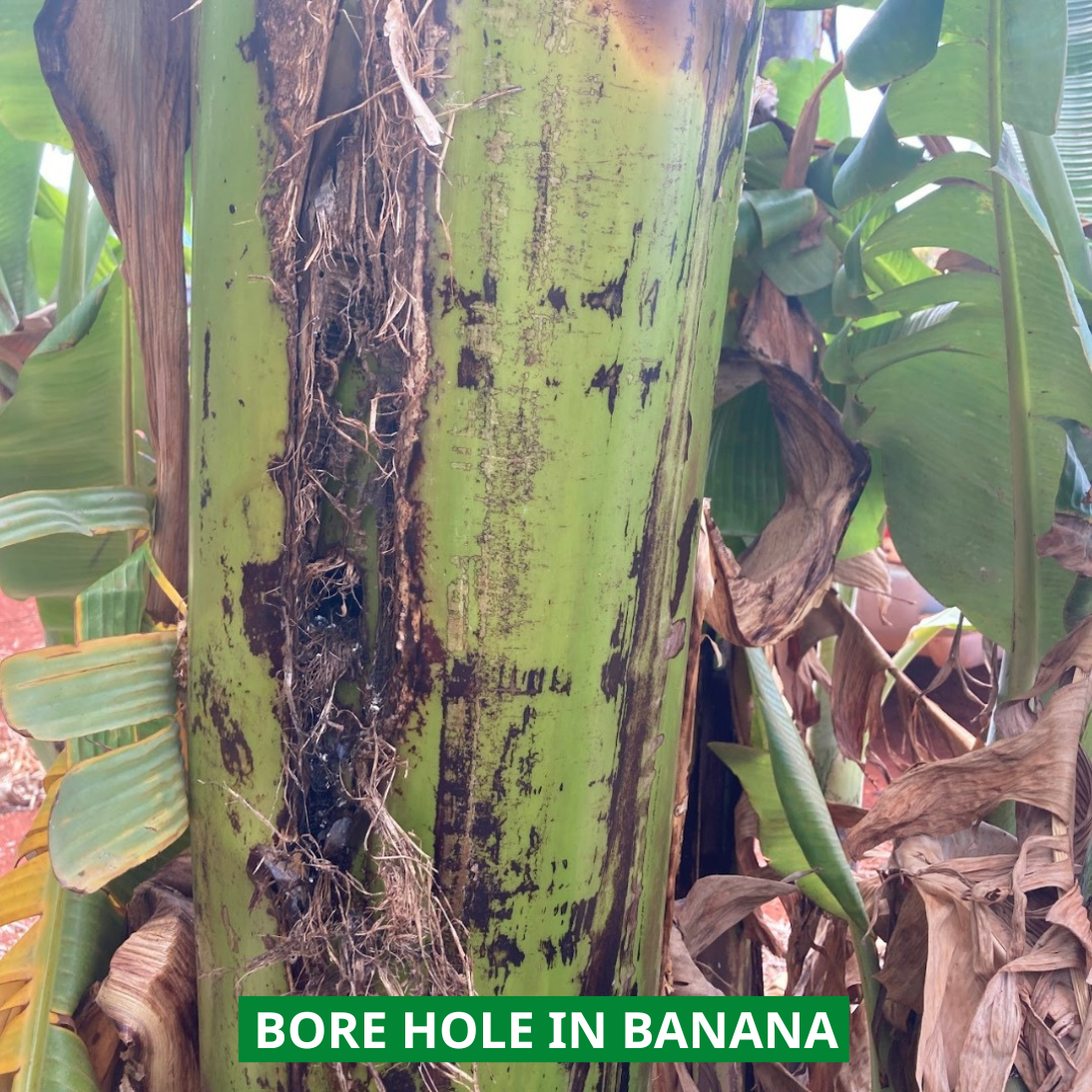
Signs of CRB Damage:

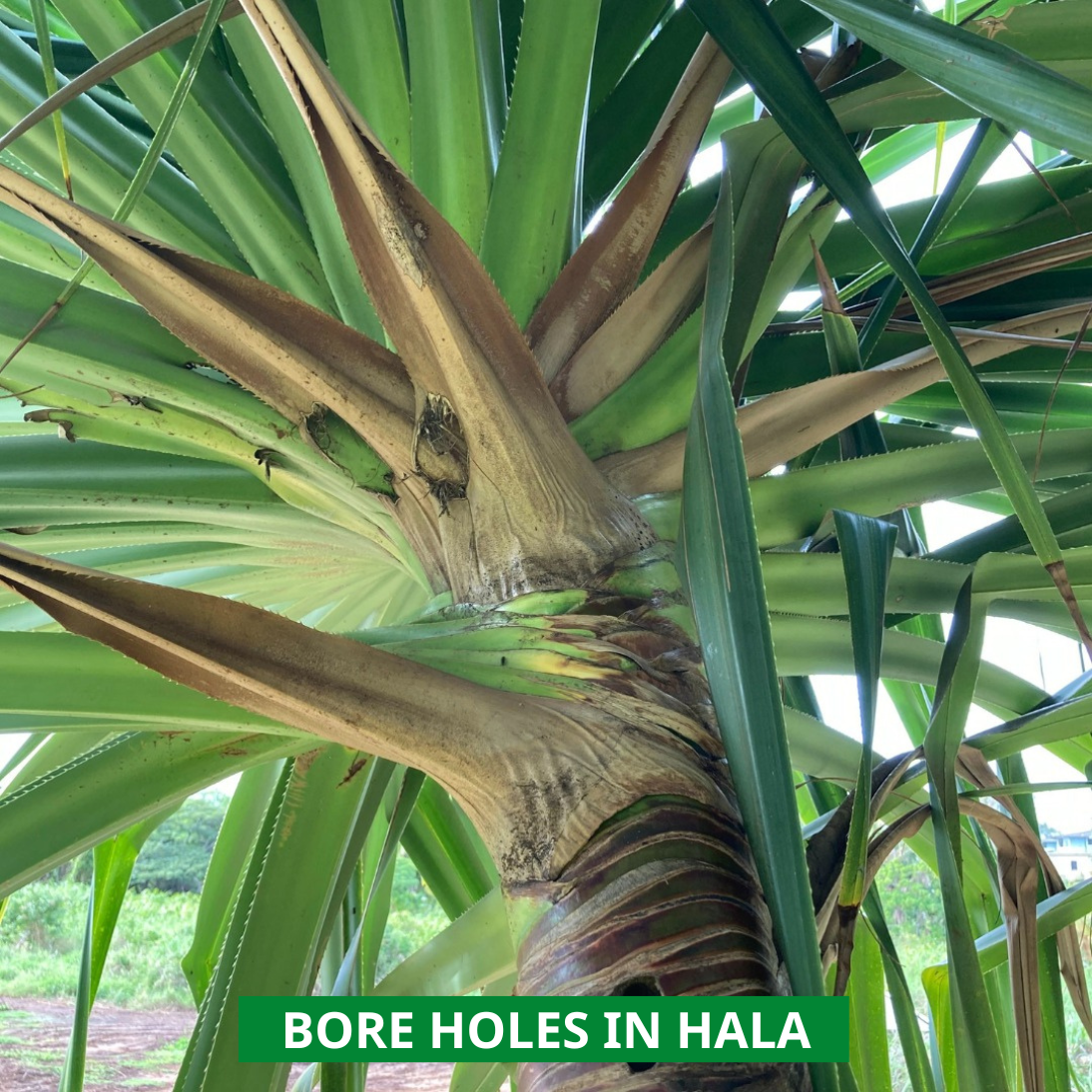
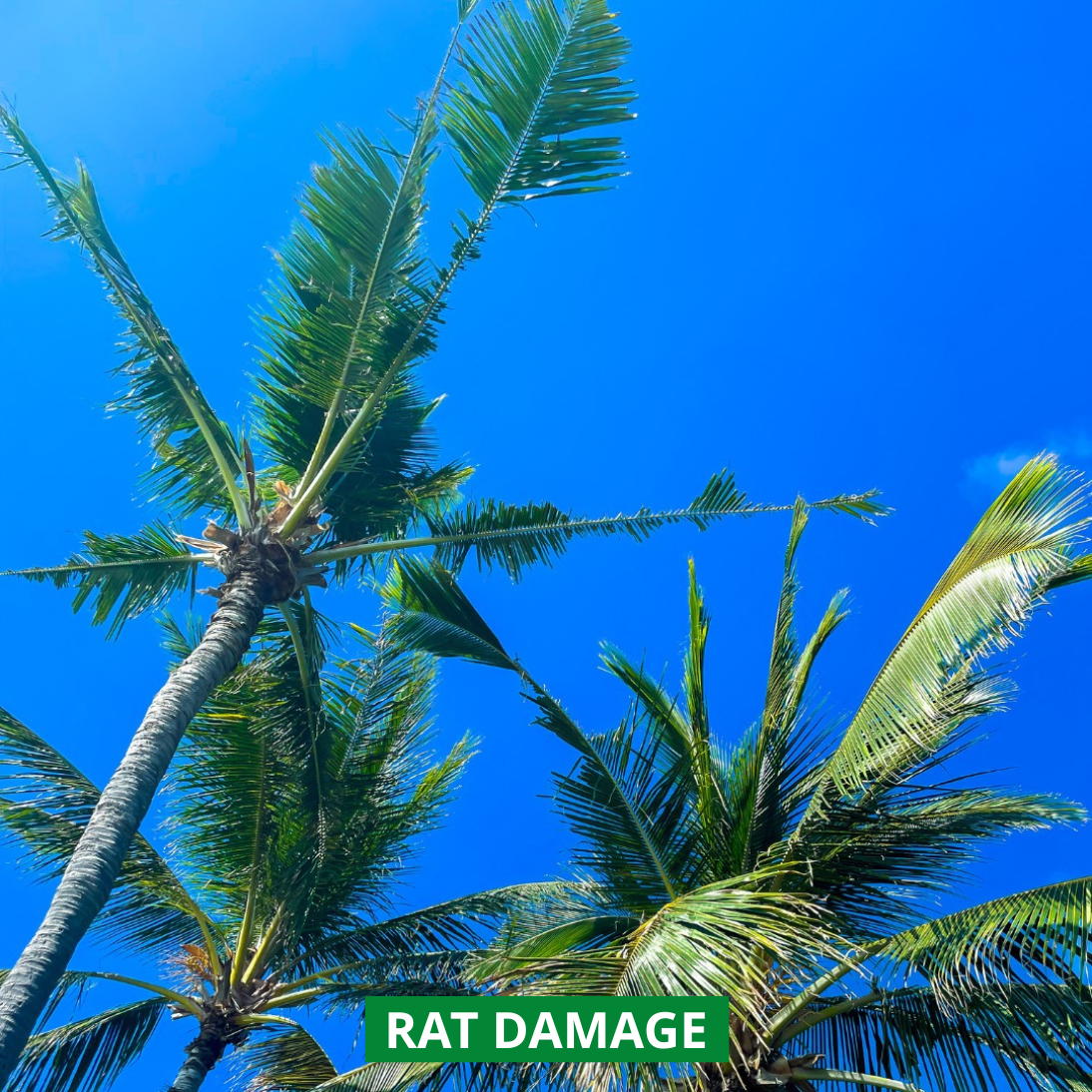
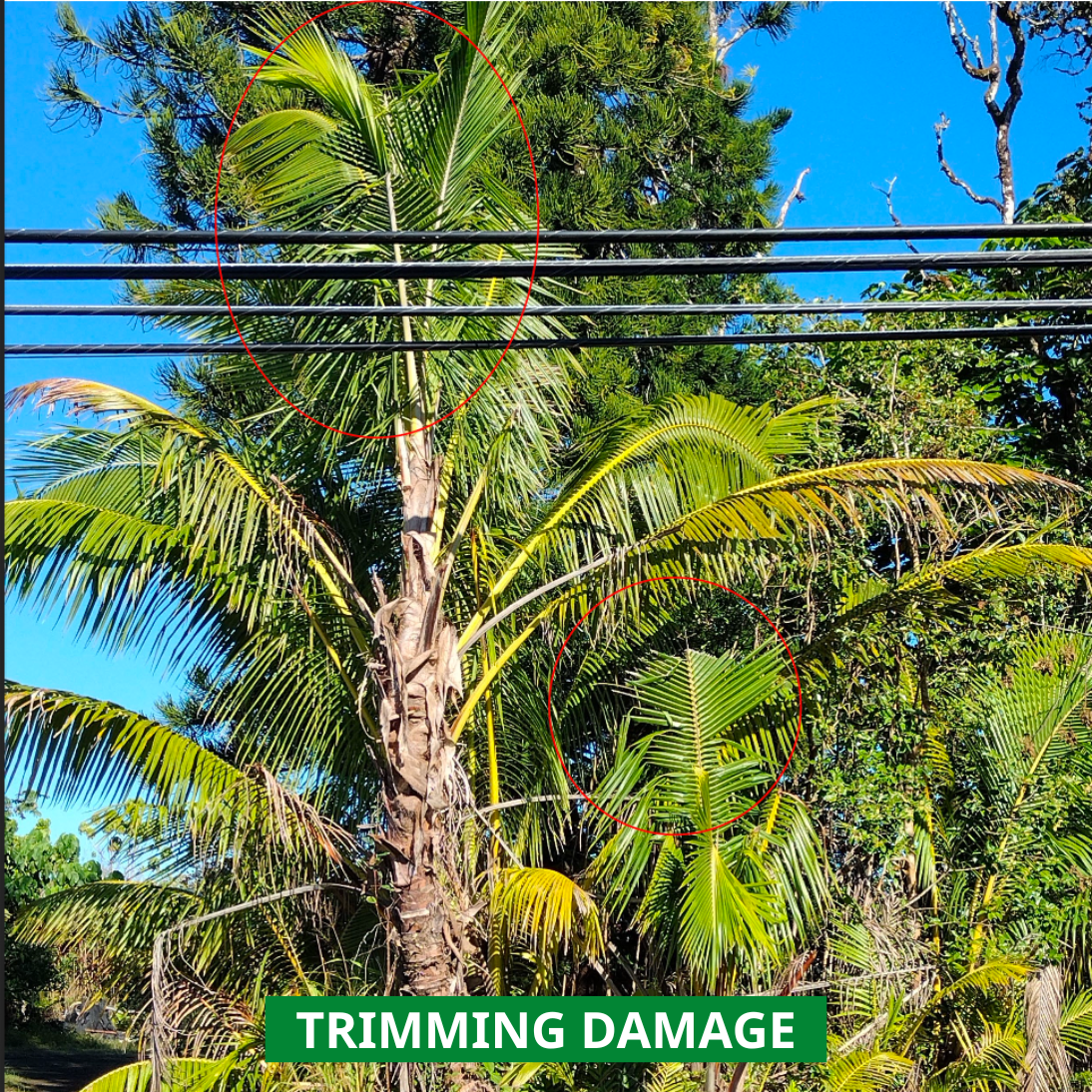
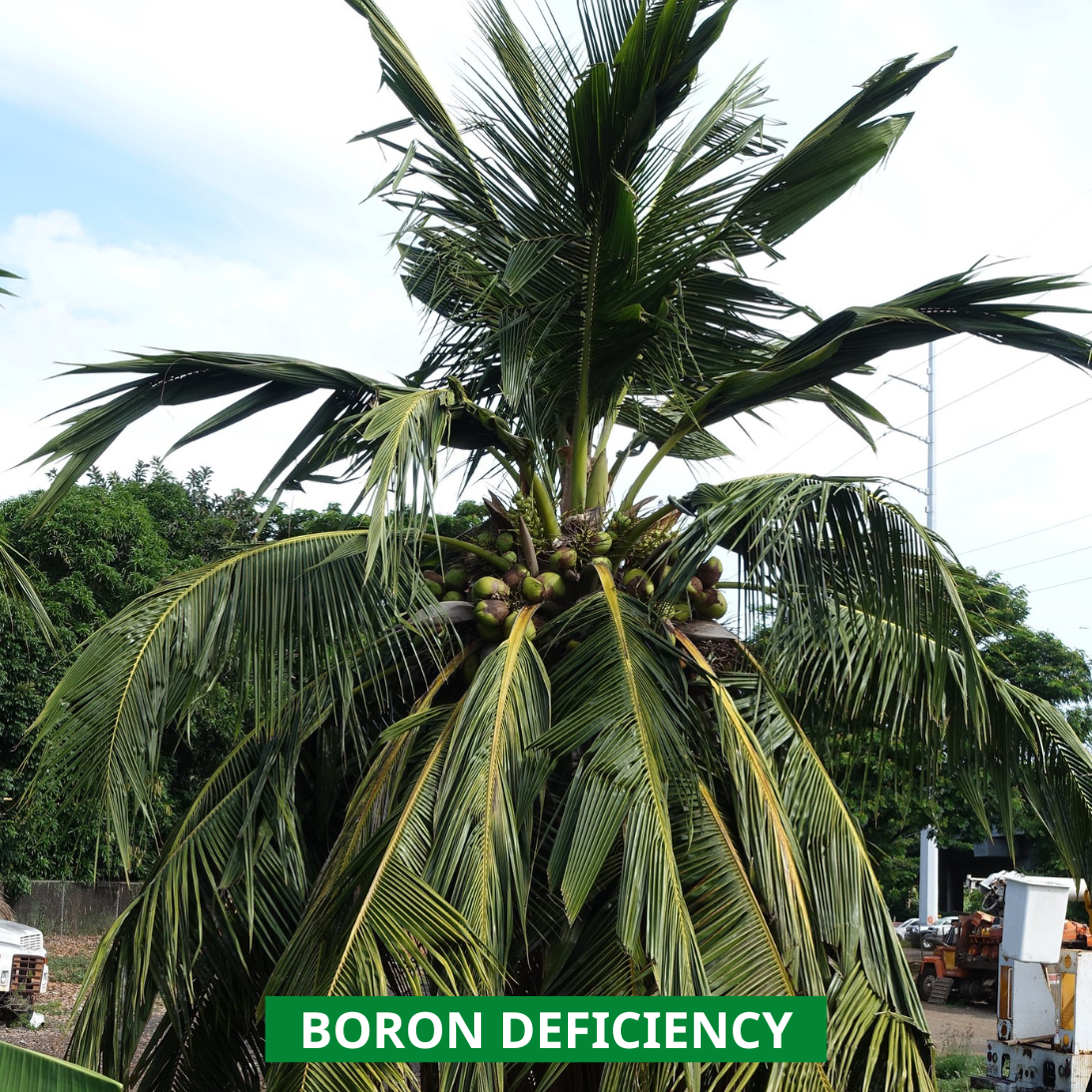
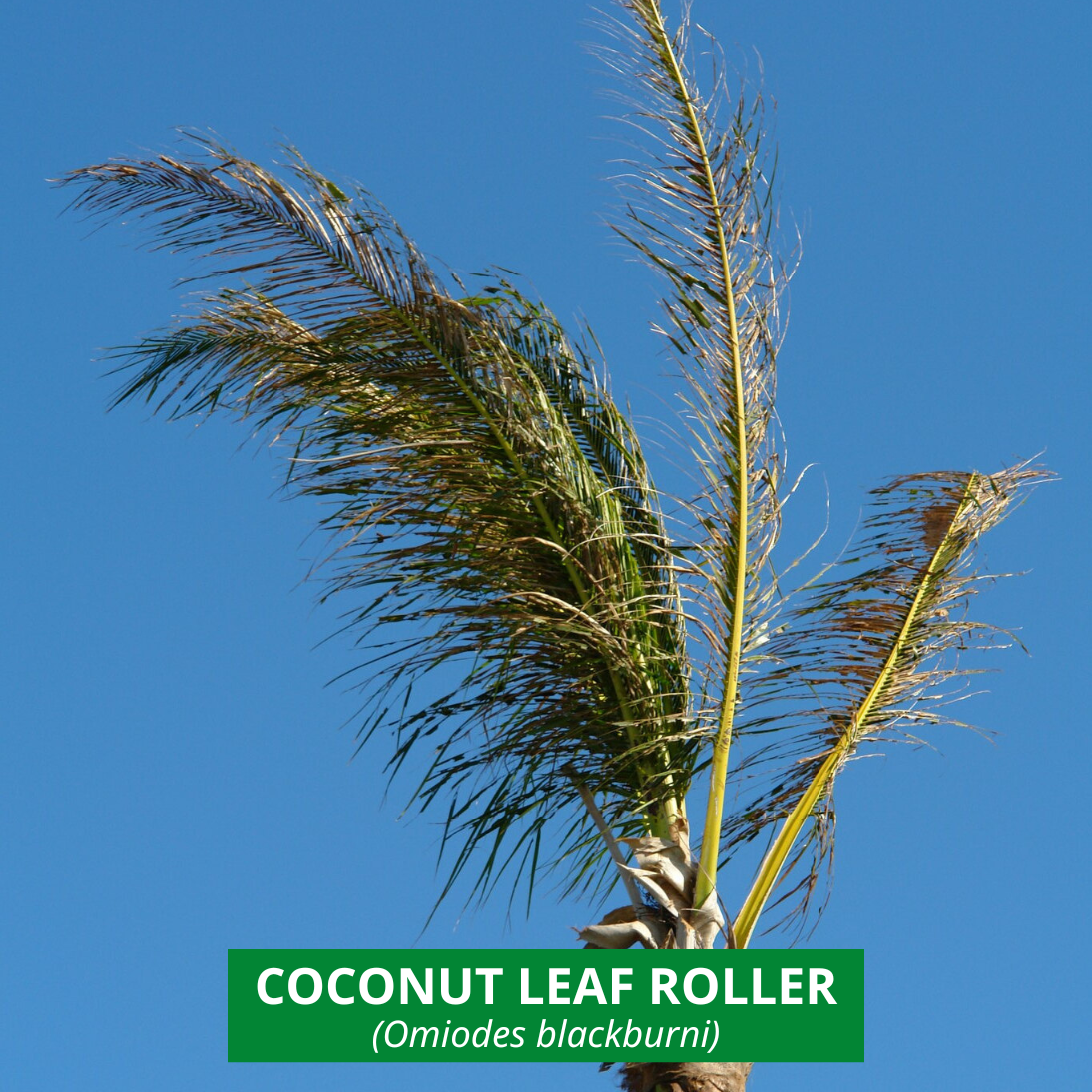
Commonly Mistaken for CRB Damage: