CRB Compliance Trainings
May 26, 2026 UPDATE:
Pōhaku Pelemaka and Hawaiʻi Wildlife Fund, the petitioners who brought the proposed interim rule to the Board of Agriculture, recently requested an update on the implementation of Interim Rule 26-1. As the organization providing training and promotional support for this rule, BIISC submitted a report to the Board of Agriculture meeting on May 26, 2026, which includes suggestions for strengthening the rollout of this rule. Please see our testimony here, and visit the Board of Agriculture meeting page for the meeting agenda and recording.
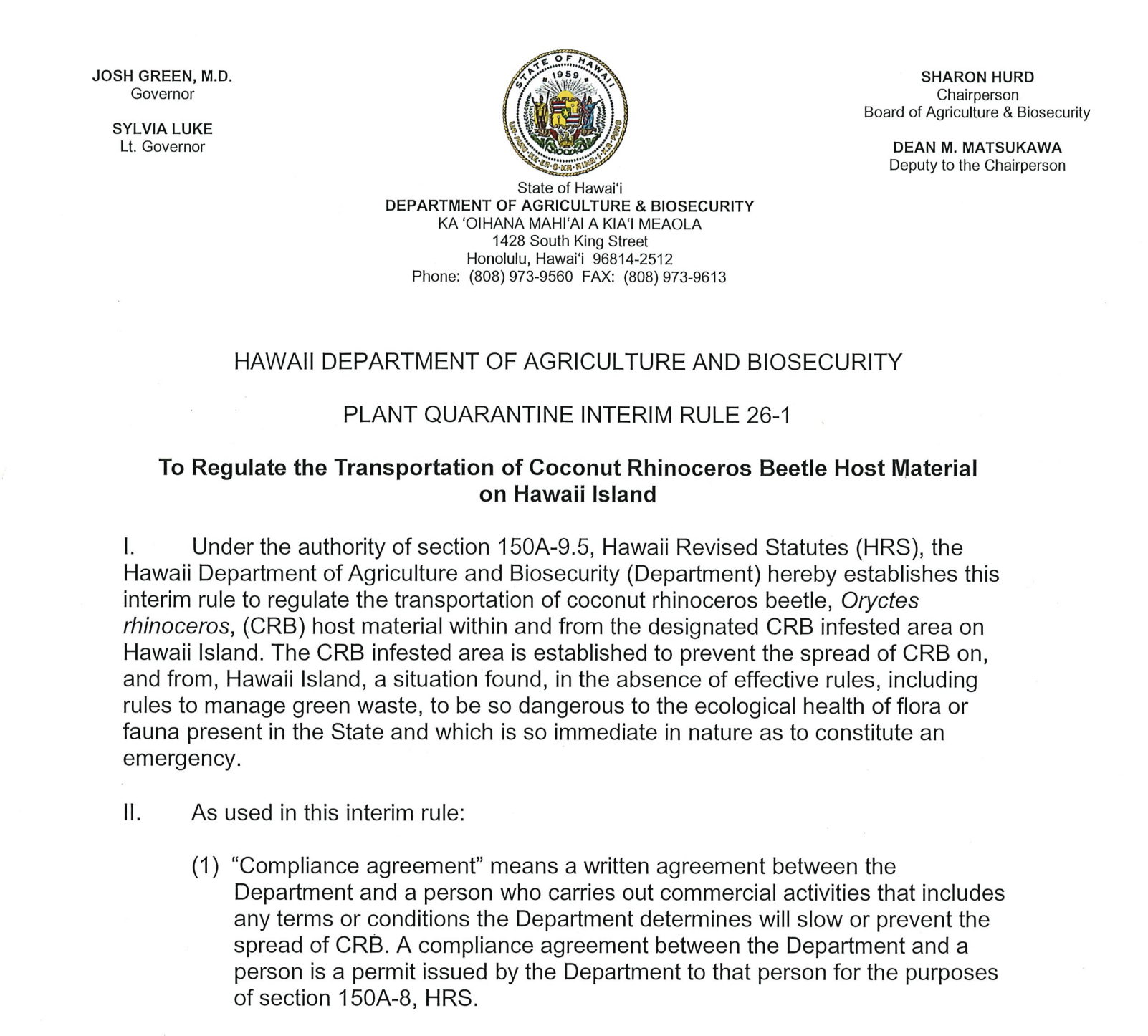
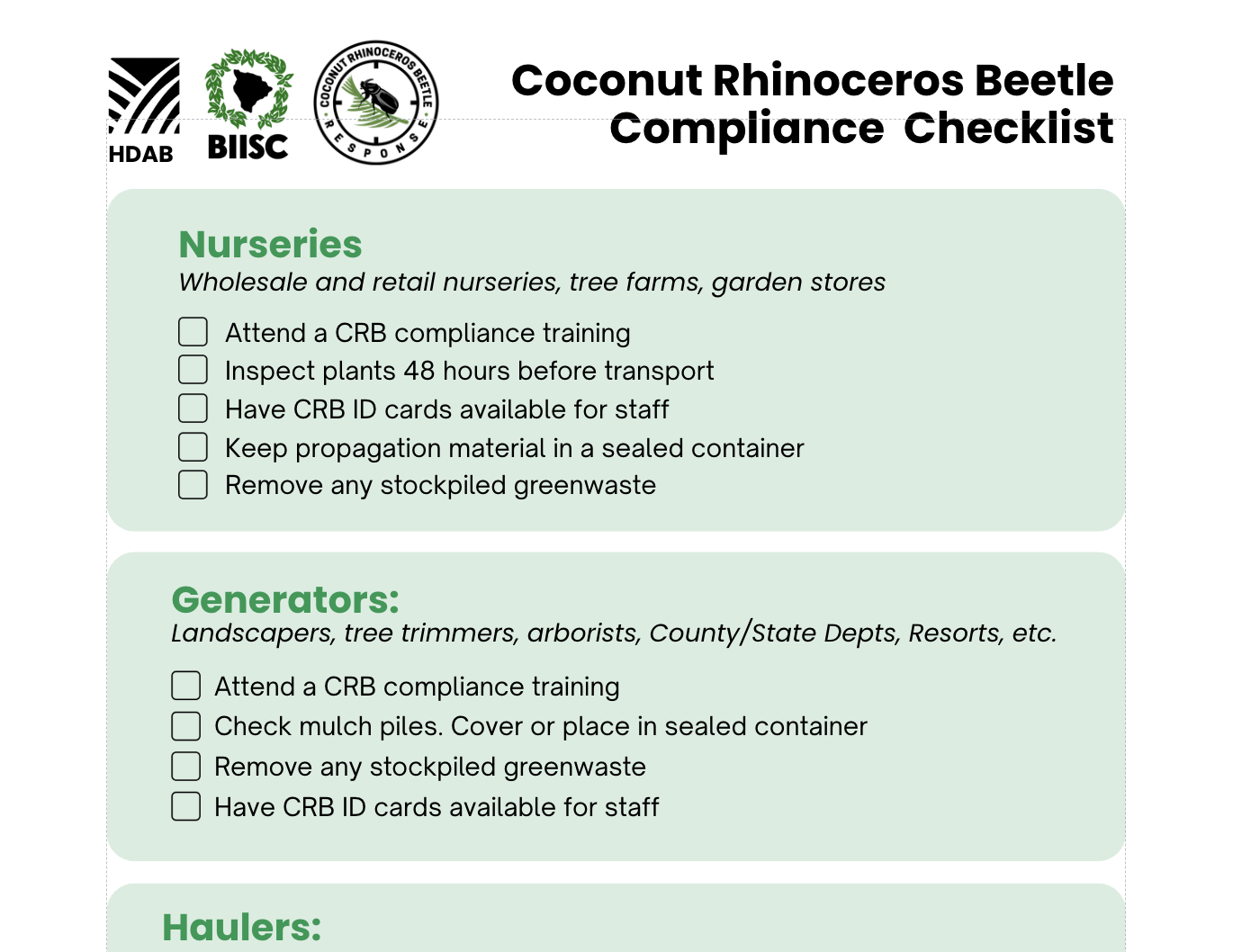
A new interim rule is being implemented to help reduce the spread of coconut rhinoceros beetle (CRB) on Hawaiʻi Island. Interim Rule 26-1, approved by the Board of Agriculture and Biosecurity in March 2026, focuses on preventing the unintentional movement of CRB in host materials such as mulch, green waste, compost, and potted plants.
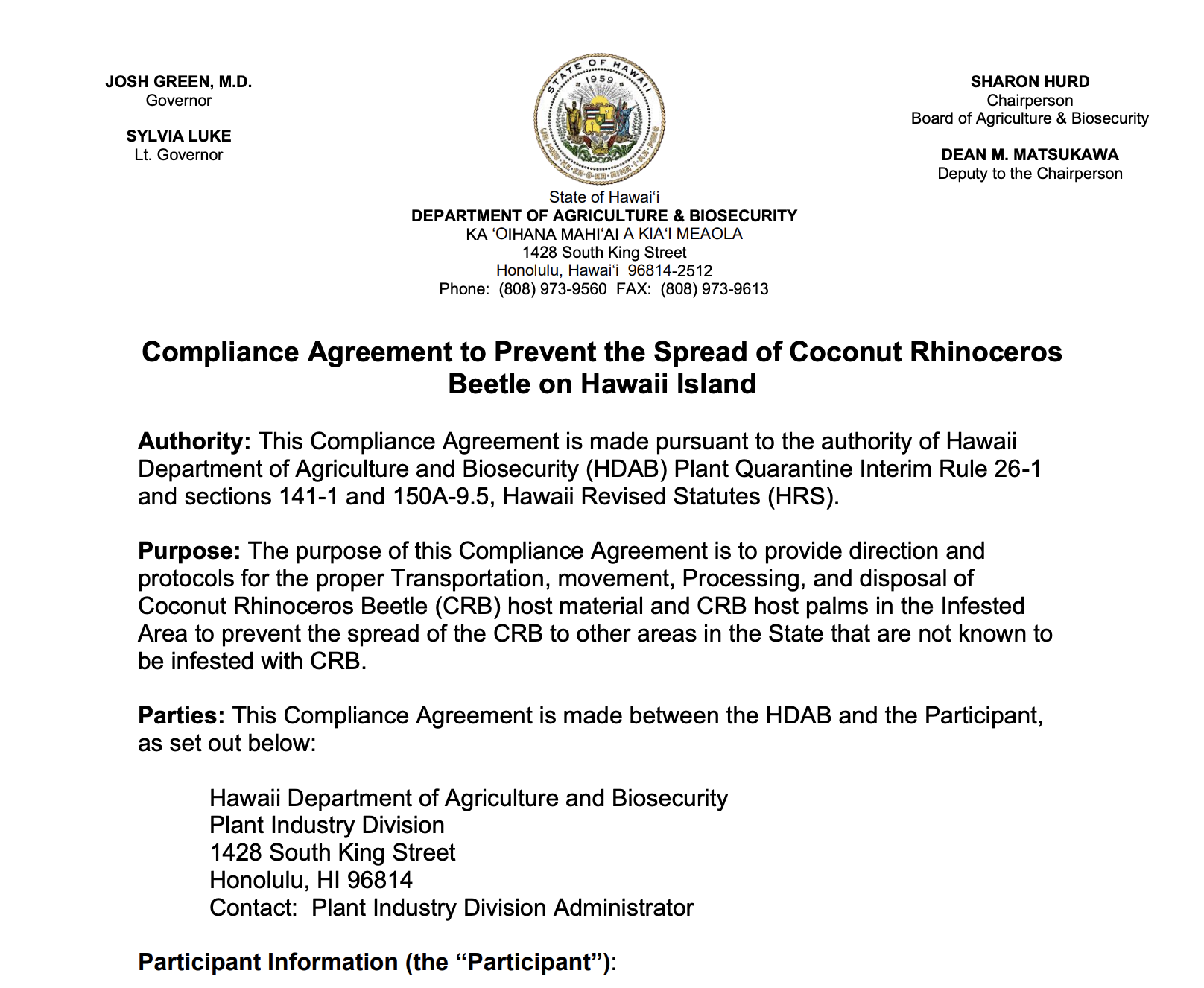
This rule requires commercial operations within the designated infested area to enter into a formal compliance agreement with the Hawaiʻi Department of Agriculture & Biosecurity (DAB). These agreements ensure that businesses are following best management practices to reduce the risk of spreading CRB.
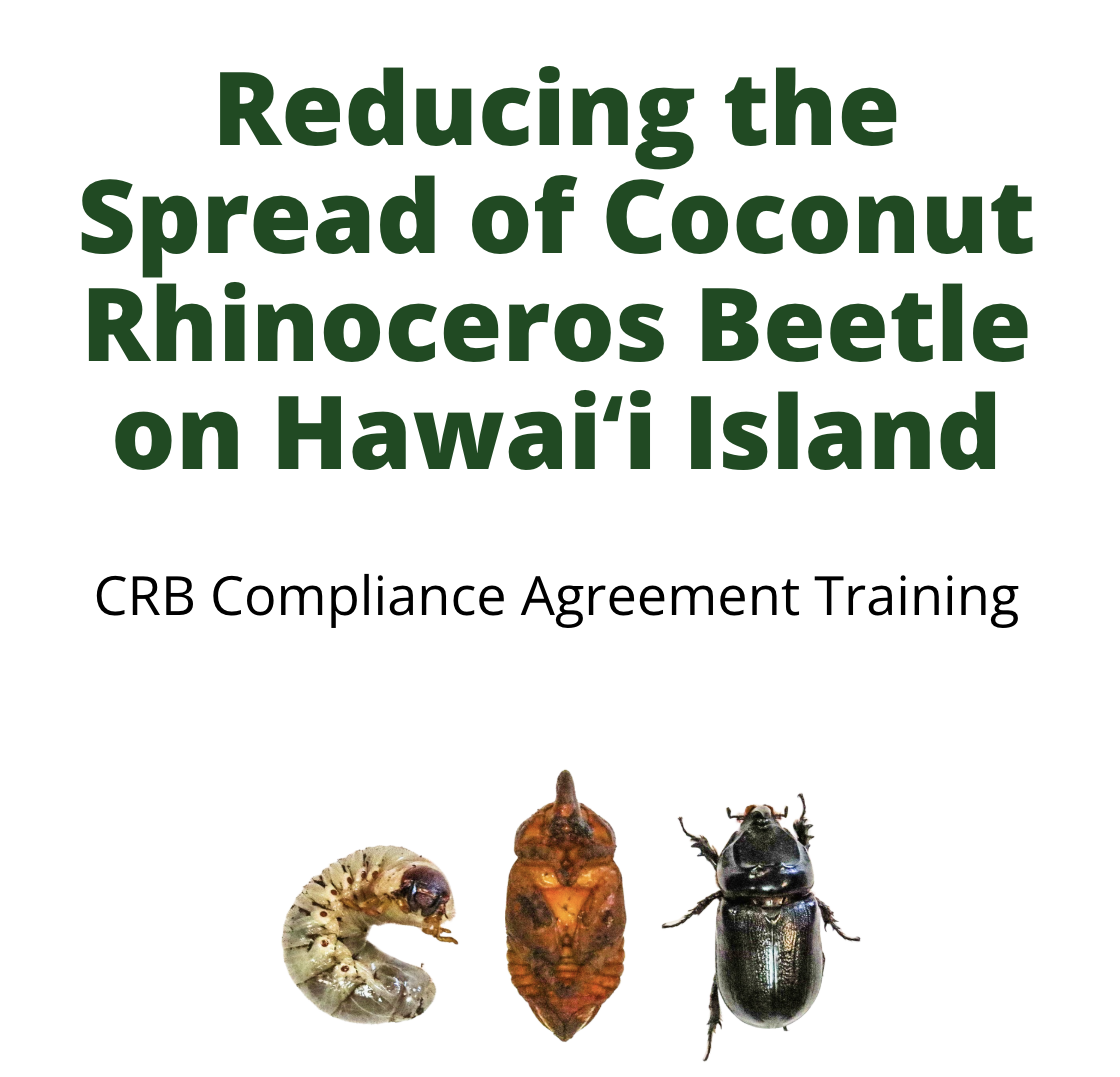
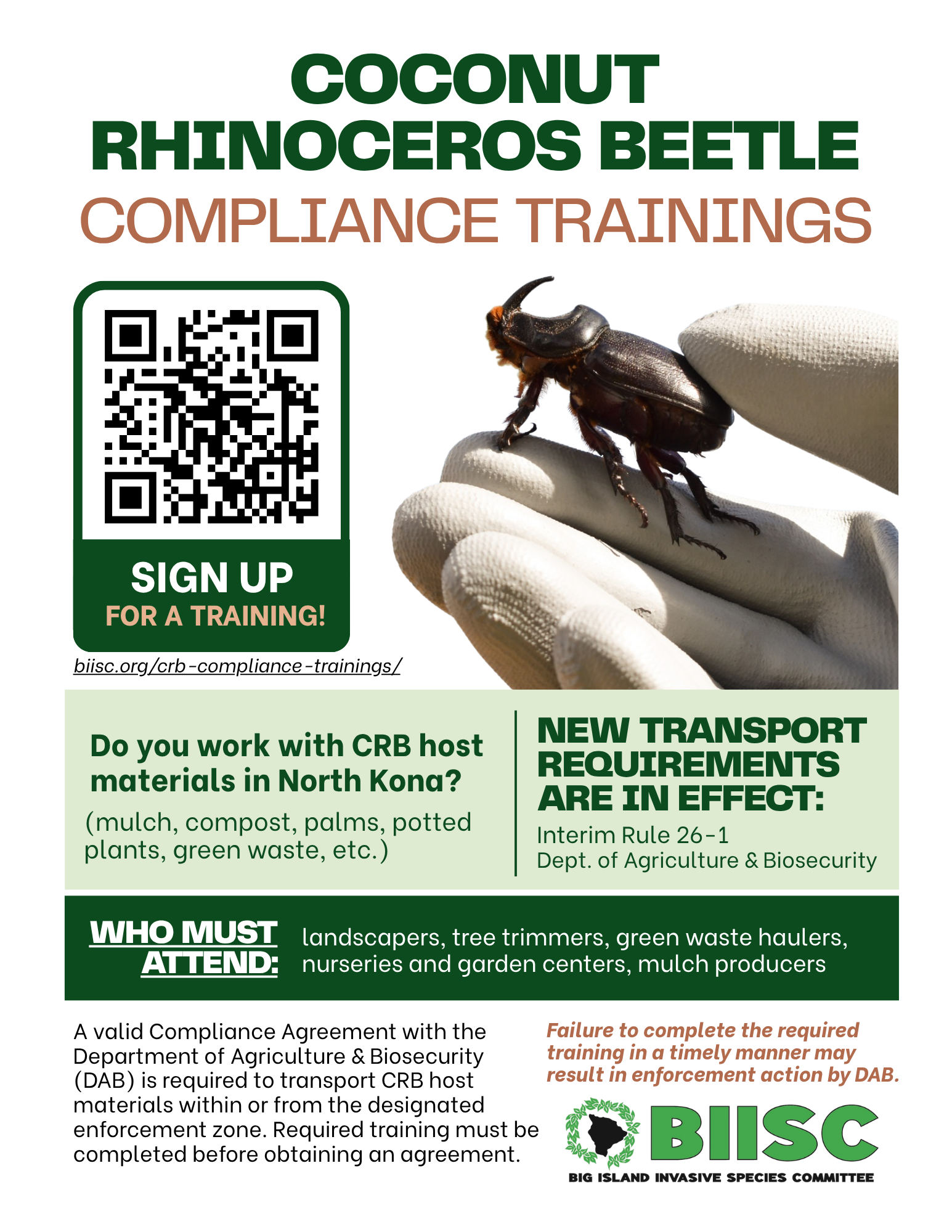
Businesses subject to this rule are also required to complete a CRB detection and management training by May 1, 2026 to remain in compliance. Free trainings will be provided by BIISC and are designed to help businesses understand and implement the required best management practices.
Who needs to participate?
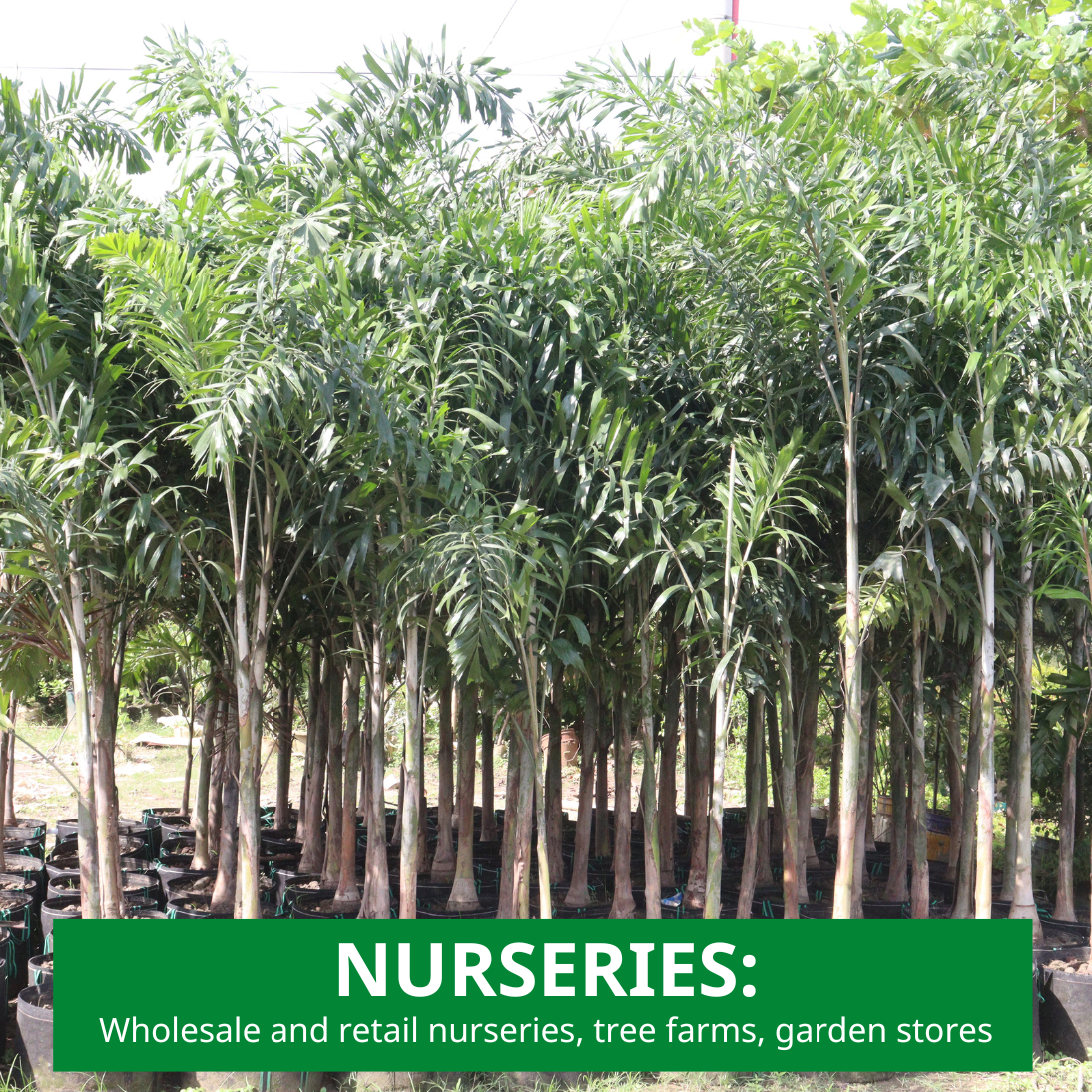
This rule applies to any commercial operation within the designated “infested area” (see map below) that transports CRB host material, sells, barters, donates, or distributes CRB host material, or receives or processes CRB host material. This includes (but is not limited to):
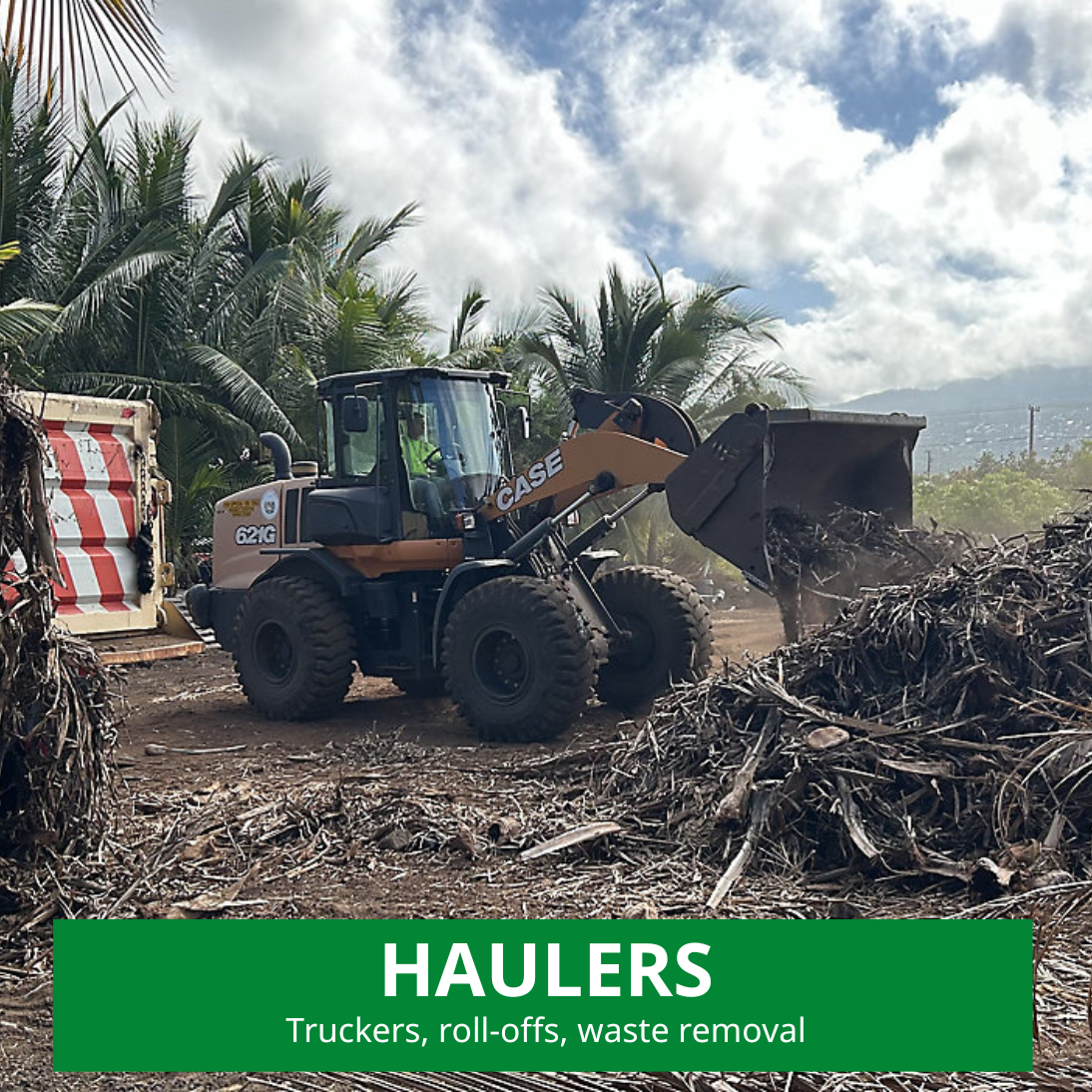
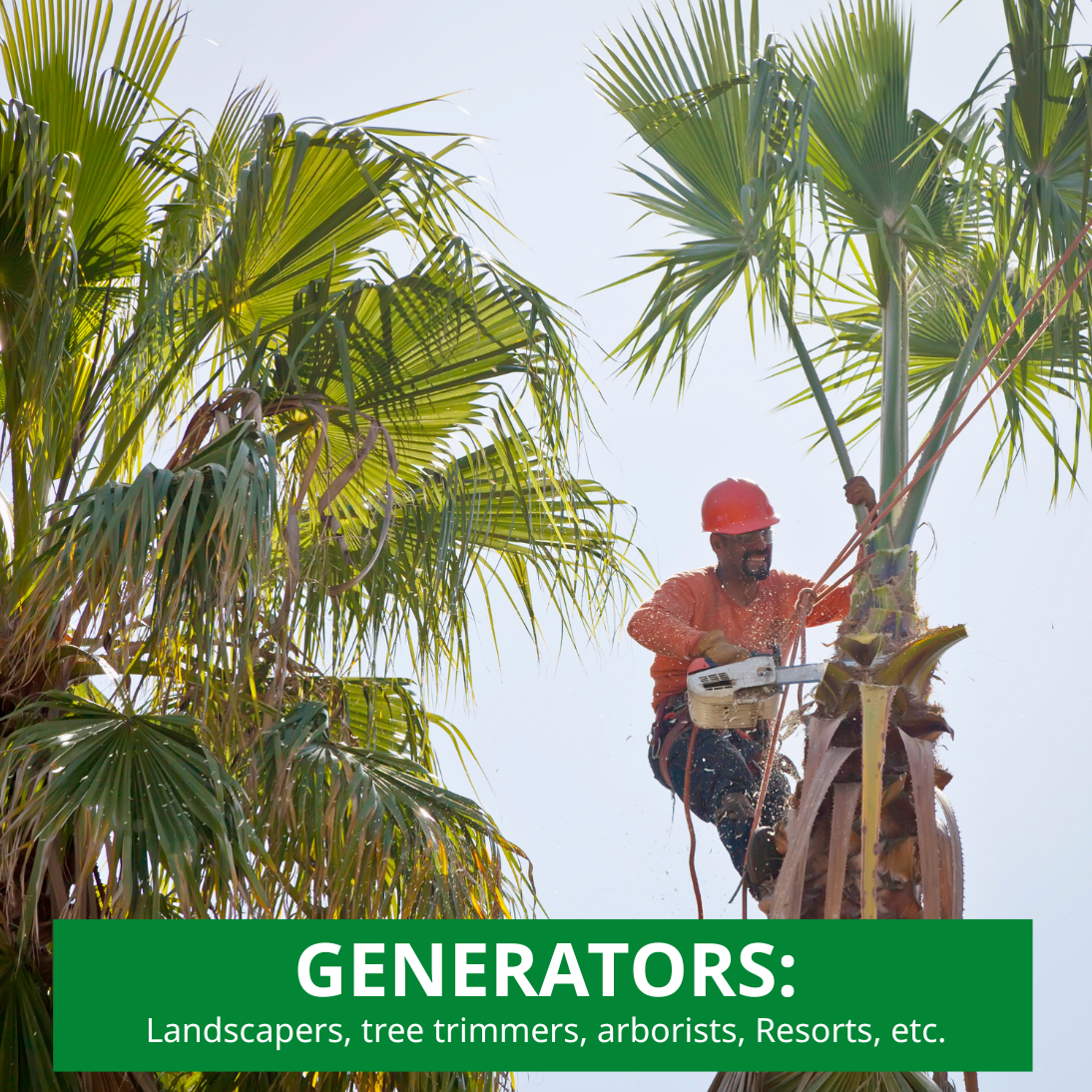
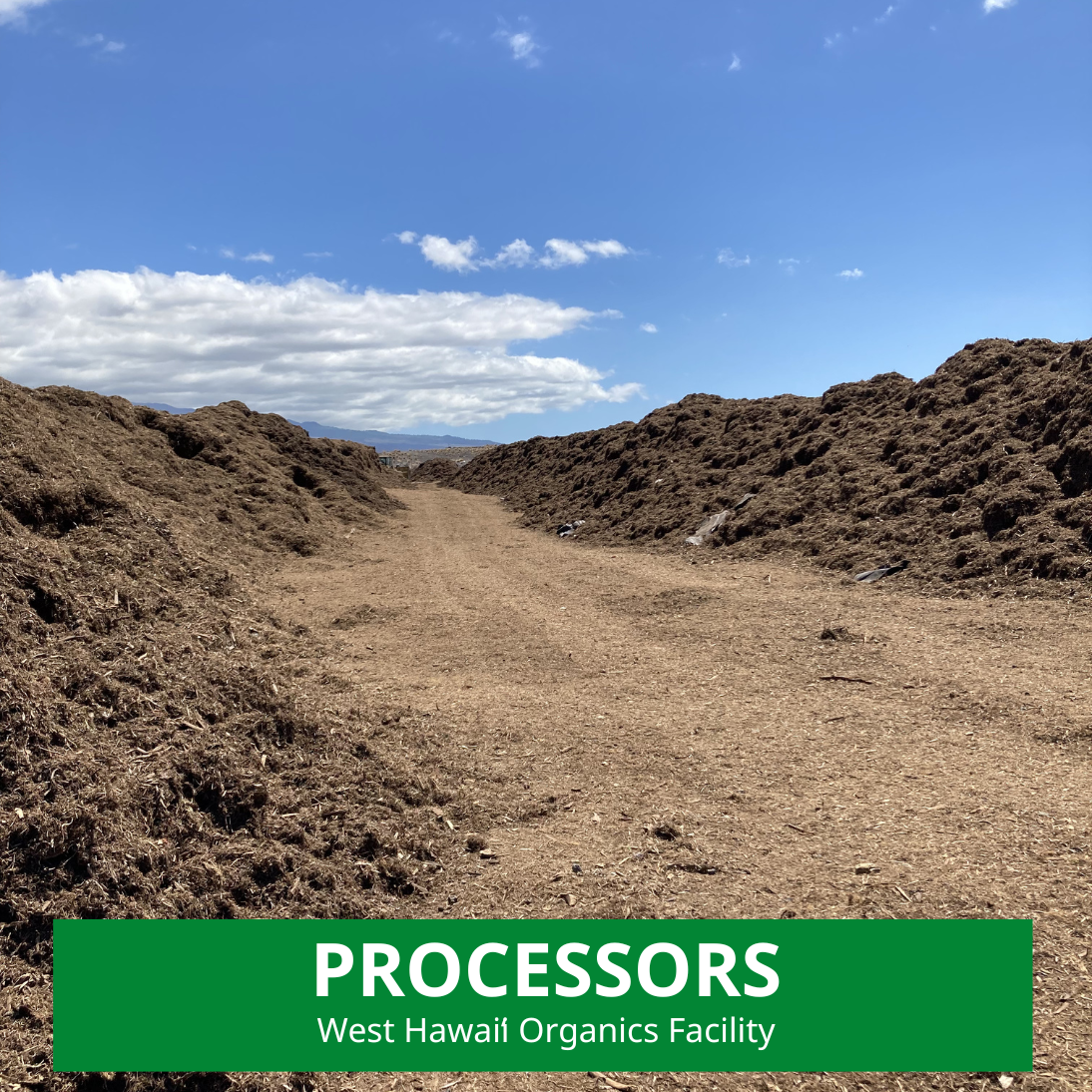
Designated Infested Area:
This temporary rule is in effect for one year and applies specifically to commercial operations that are transporting CRB host material from or within the designated infested area of North Kona. The designated area is generally bound by the following: Waikōloa Road from Highway 190 to the coast, continuing south to Laʻaloa Avenue and from the coast to its intersection with Highway 11 to the east.
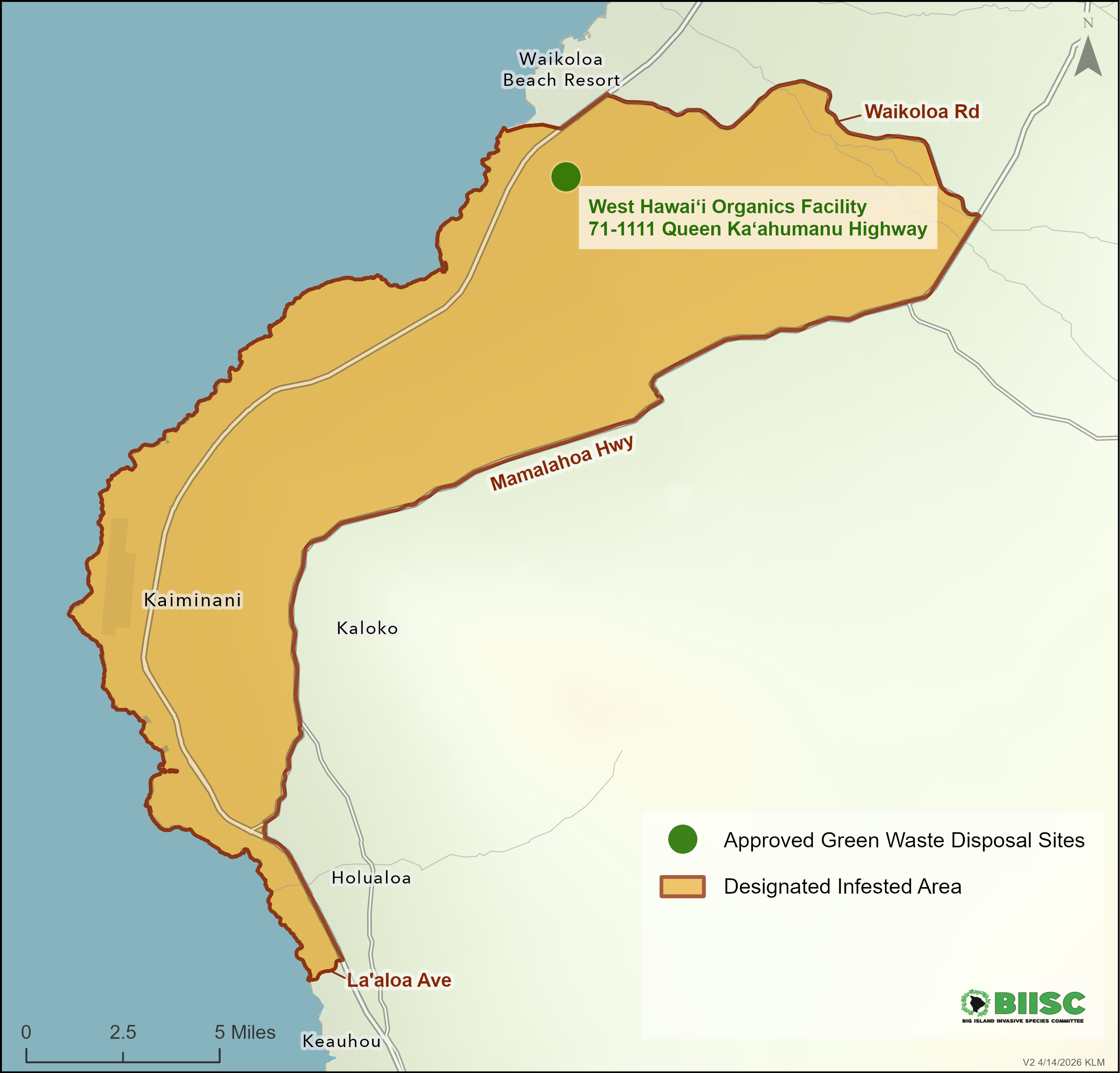
Compliance Agreements
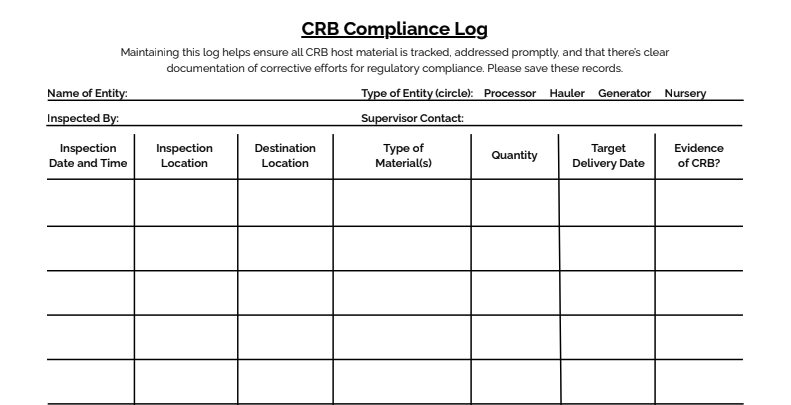
These are formal agreements between commercial operations and the Hawaiʻi Department of Agriculture & Biosecurity that allow the movement or handling of CRB host materials such as green waste, mulch, compost, and palm material under strict conditions. Rather than prohibiting these activities entirely, compliance agreements outline required practices like inspection, treatment, proper storage, recordkeeping, and reporting to ensure materials are managed safely.
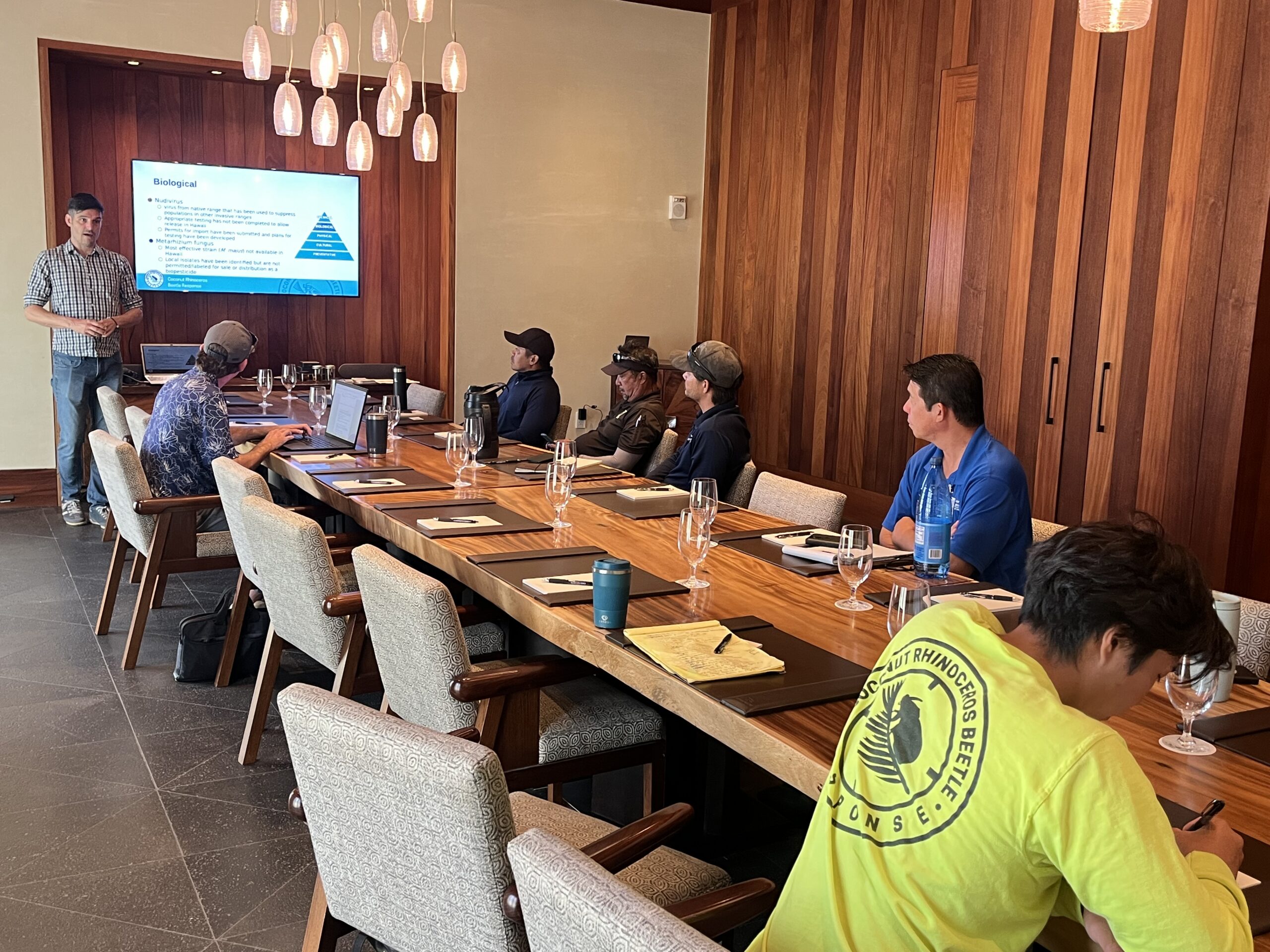
CRB detection & management training for staff involved in producing or moving potential CRB host and/or breeding materials
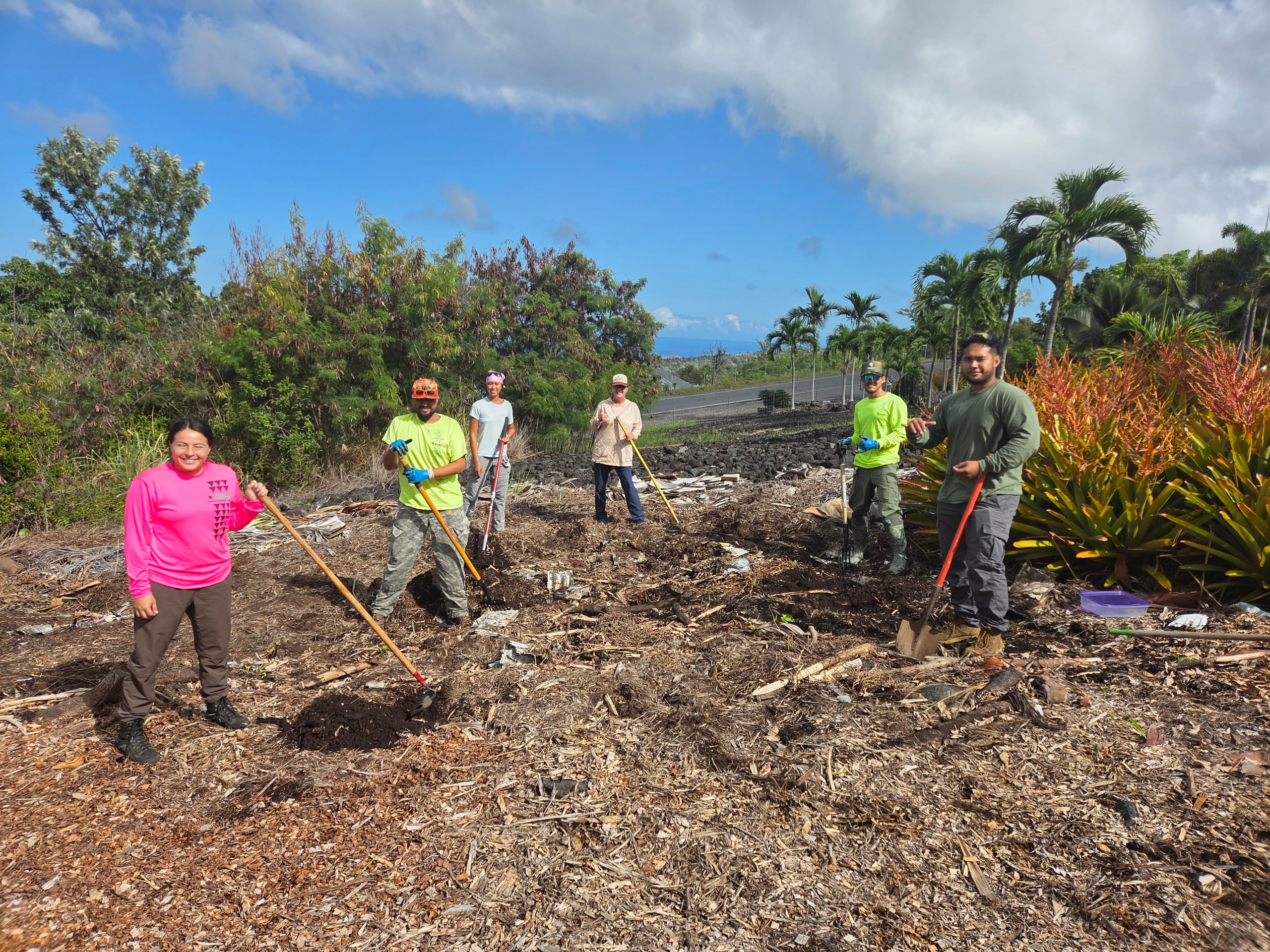
Regular inspections and active management of mulch piles and other high-risk breeding materials.
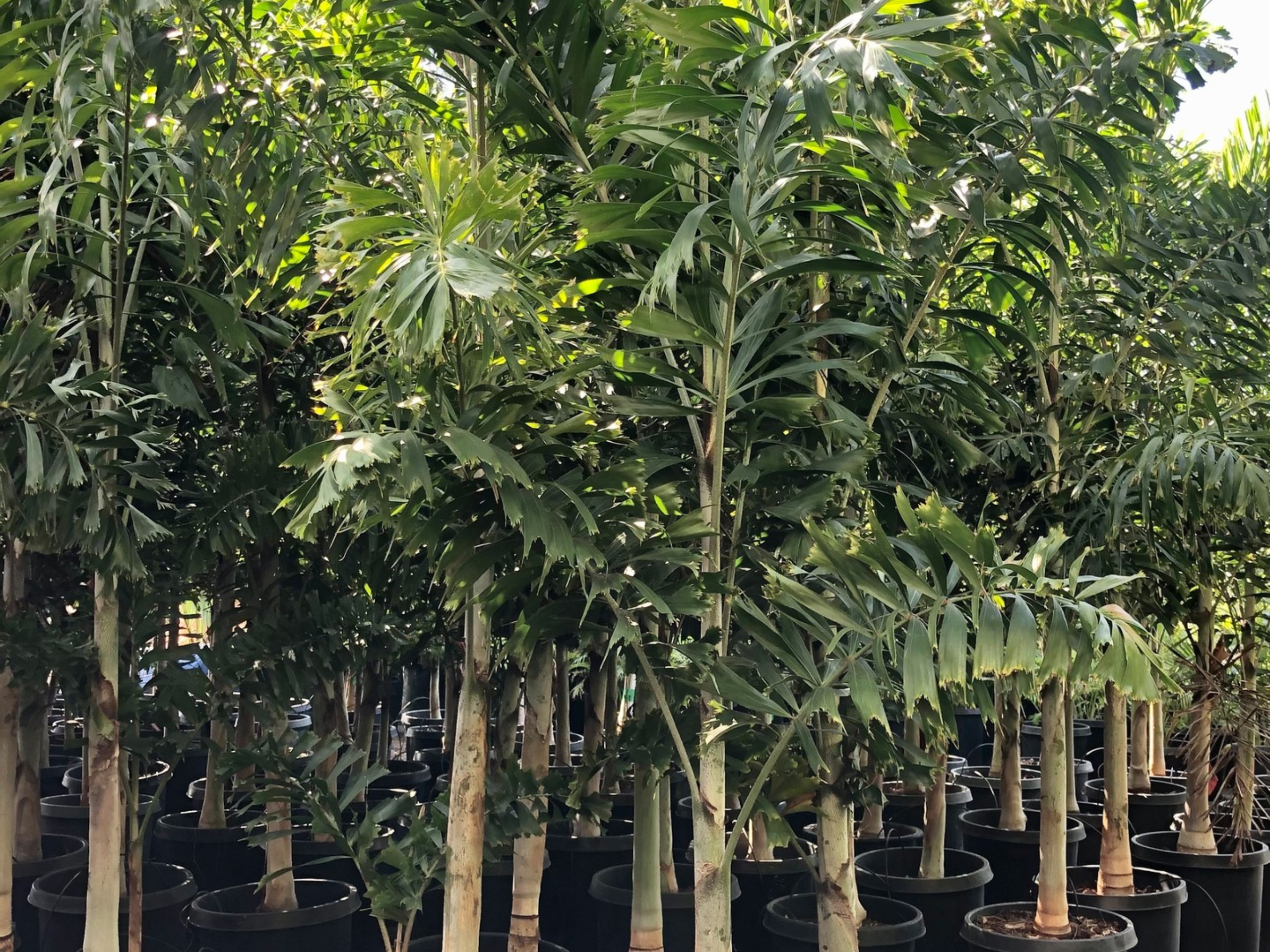
Inspection and/or treatment of potted plants, potting media, and palms before movement outside the defined management zone.
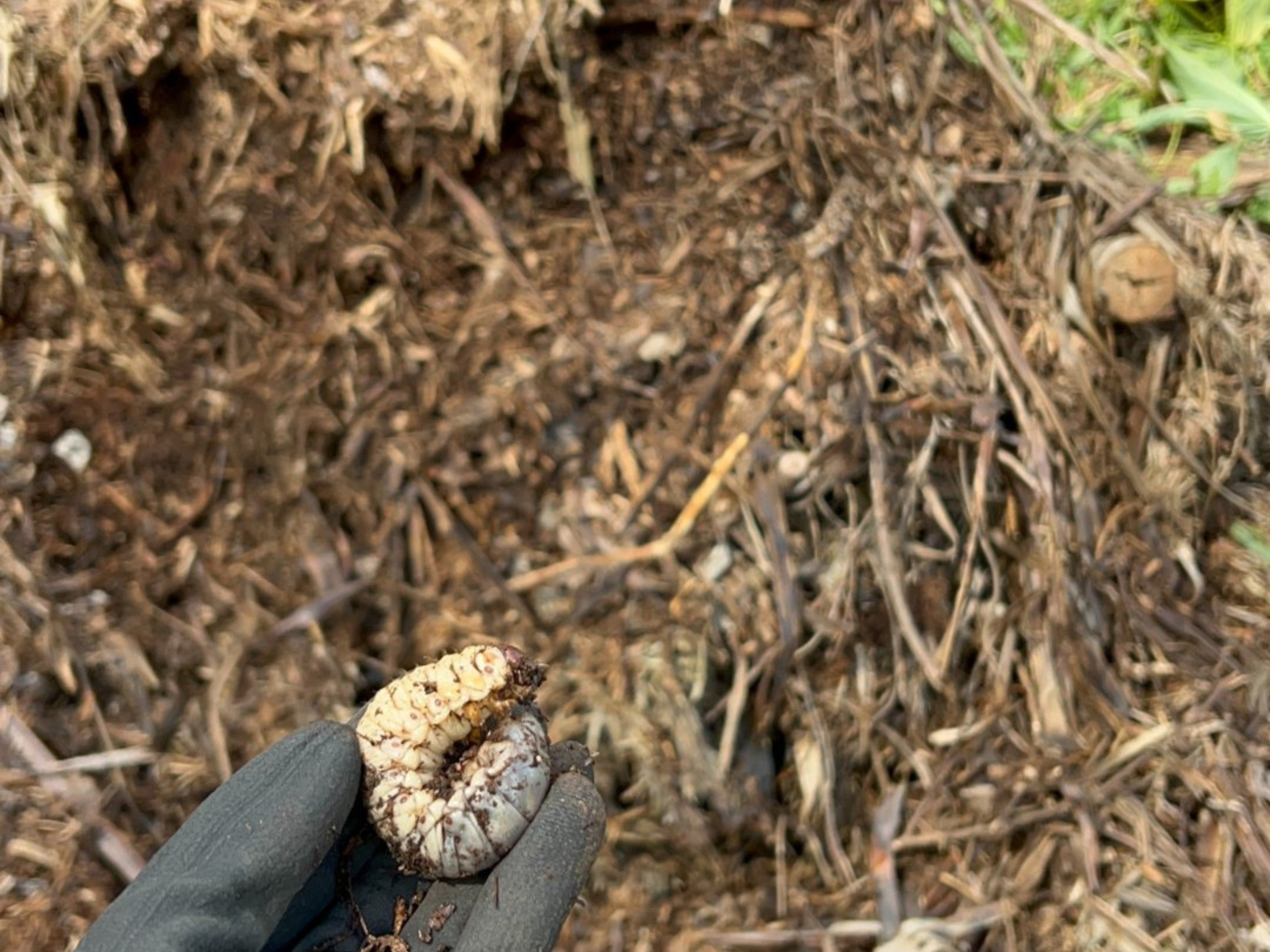
Heat treatment of mulch and green waste to temperatures sufficient to kill CRB larvae before movement off-site.
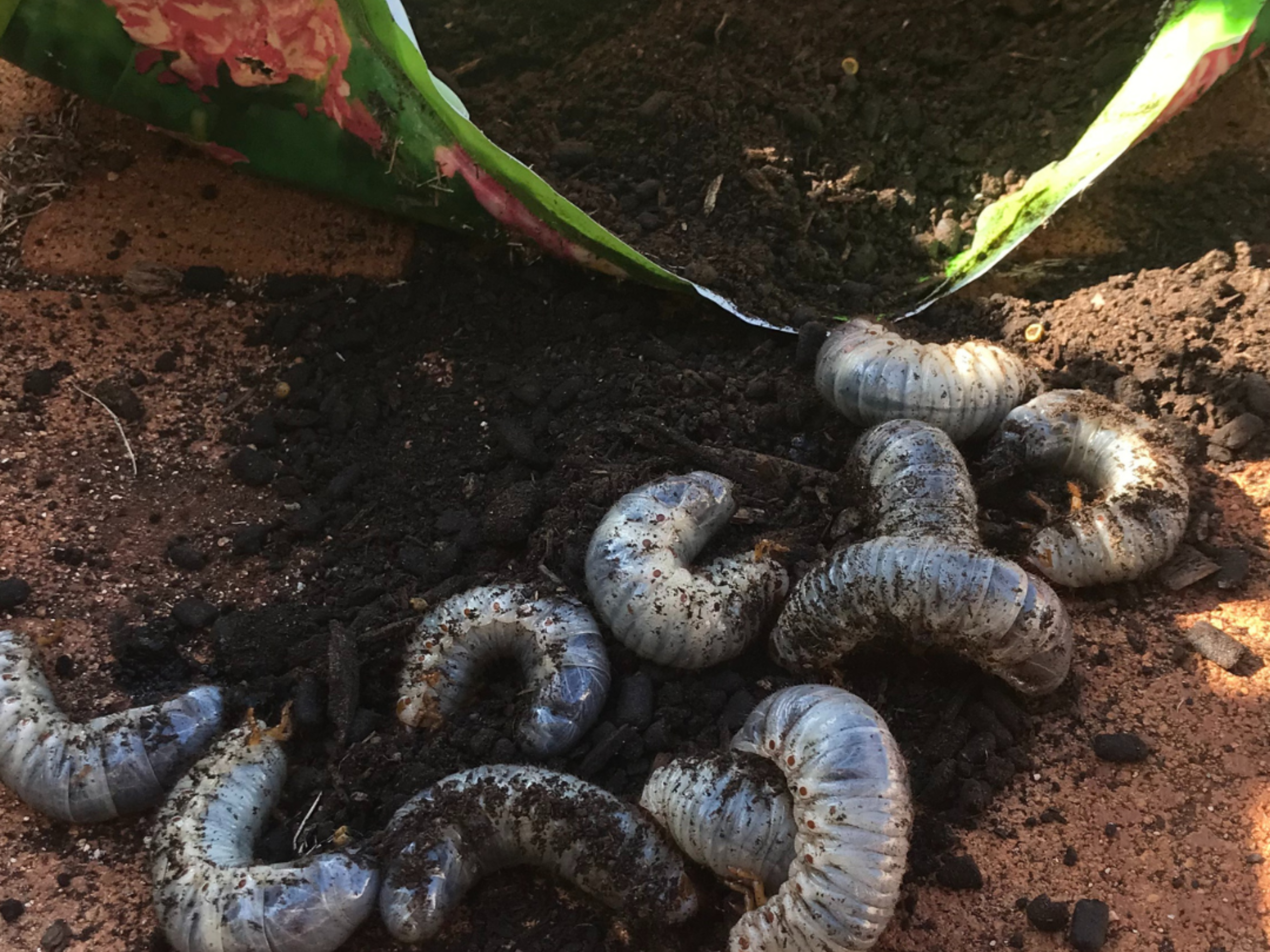
Enclosed, sealed overnight storage of bagged mulch (sunset–sunrise) intended for retail sale, corresponding with peak CRB flight activity.